>
Essential Oils Manufacturers in Pakistan
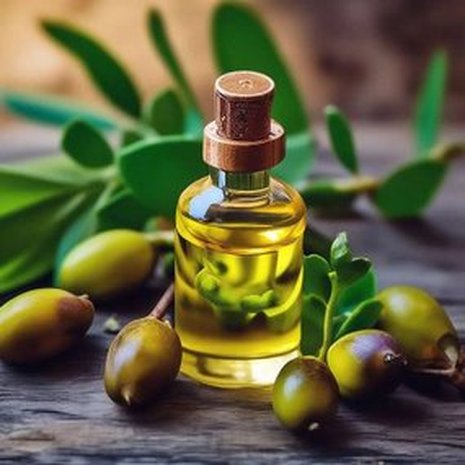
Essential oils have, thus, become the in-things in wellness regimens, skin-care products, and even h...
Seed Oils Manufacturers in Pakistan
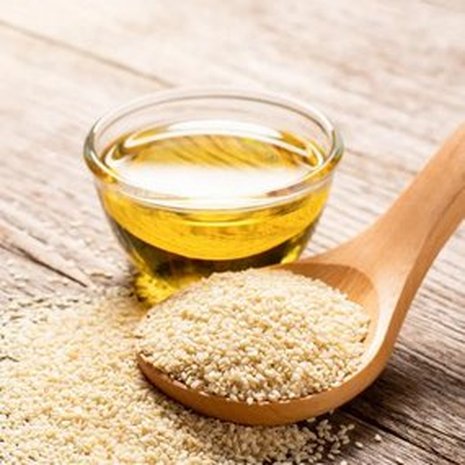
Seed oils have been part of health, spirituality, and cooking for thousands of years. These oils are...
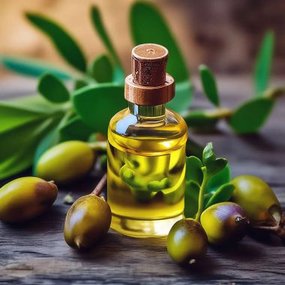
Neem Seed Oil Manufacturers in Pakistan
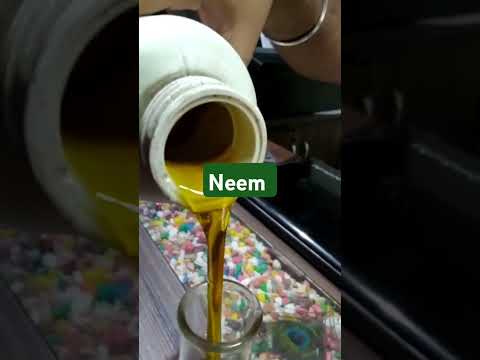
Resulting from being medicinal and beneficial on skin, and even in agriculture, neem oil had surely ...
HR Herbals International

Cinnamon Oil: Spice Industry and Health Applications

A trusted name in natural solutions, we offer premium essential oils, herbal extracts, seed oils, biopesticides, and more. Committed to quality, sustainability, and innovation, our products serve the wellness, agriculture, and personal care industries. Harnessing nature’s power, we strive to create healthier lives, a greener planet, and a better future for all.

Few aromas are as instantly recognizable, as widely loved, or as deeply embedded in culinary and cultural traditions around the world as cinnamon. The warm, sweet, slightly spicy fragrance of cinnamon has flavored foods and medicines across Asia, the Middle East, Africa, Europe, and the Americas for thousands of years. In ancient Egypt, cinnamon was among the most valued spices available, used in embalming, as a medicine, and as a gift worthy of kings. In medieval Europe, it was so expensive that only the wealthy could afford it. Today it is ubiquitous in kitchens and food manufacturing facilities worldwide.

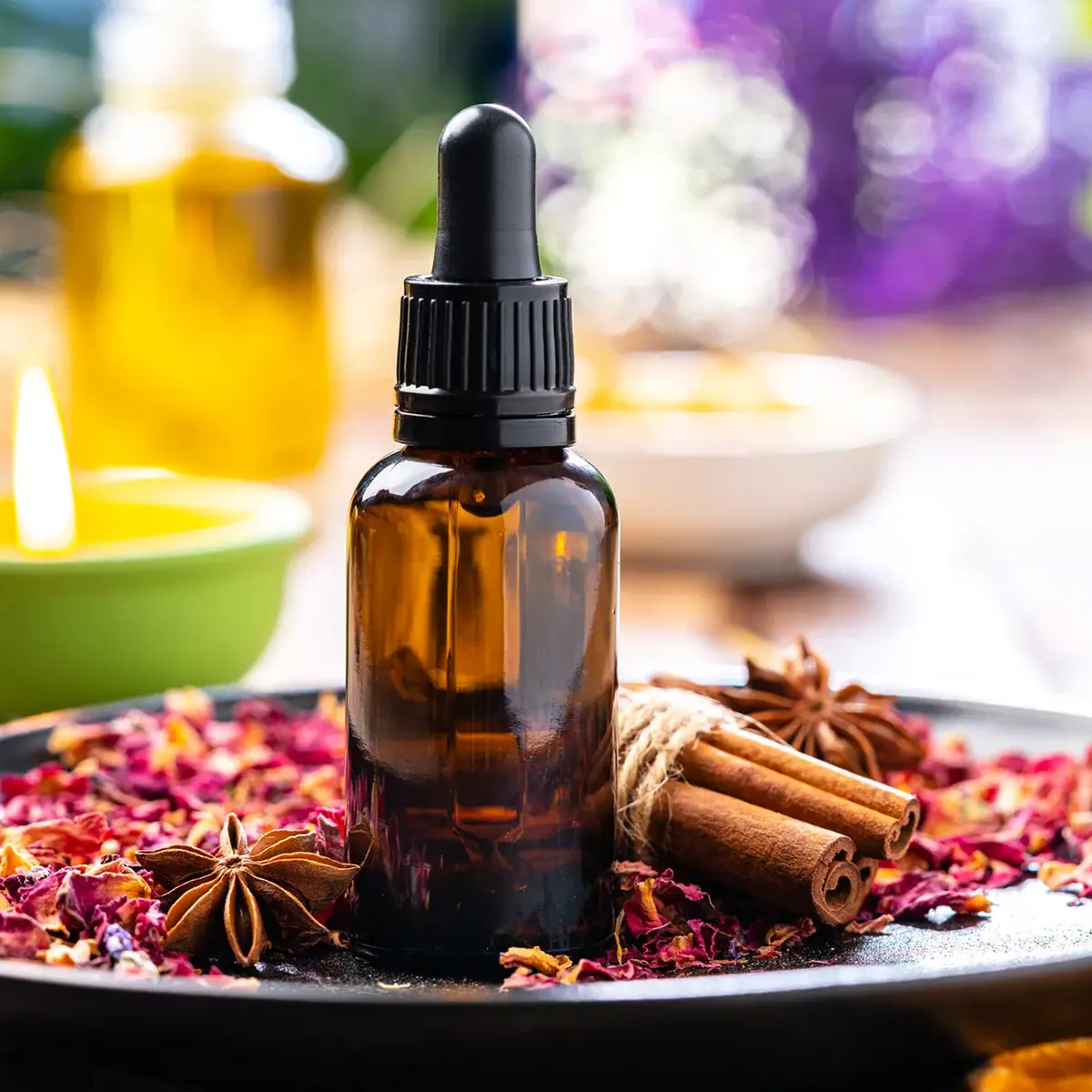
Cinnamon essential oil, extracted from the bark or leaves of Cinnamomum species, concentrates the active aromatic and pharmacological compounds of this remarkable plant into a potent liquid with diverse applications across the food, pharmaceutical, cosmetic, and agricultural industries.

Types of Cinnamon and Their Oils

Commercial cinnamon comes from several different species in the Cinnamomum genus, and the essential oils from these different species have quite different chemical compositions and therefore different applications.

Cinnamomum verum (also known as C. zeylanicum or Ceylon cinnamon) is considered true cinnamon and comes from Sri Lanka, where it has been cultivated since ancient times. It has a lighter, more delicate flavor than other types. Its bark oil is rich in cinnamaldehyde (typically 55% to 75%) with significant amounts of eugenol. Its leaf oil is dominated by eugenol (70% to 90%) rather than cinnamaldehyde.

Cinnamomum cassia (Chinese cinnamon or cassia) is the more commonly traded variety in international markets, particularly in the United States where it dominates the cinnamon market. Its bark oil typically contains 75% to 90% cinnamaldehyde with relatively little eugenol. The higher cinnamaldehyde content gives cassia a more intense, pungent aroma than Ceylon cinnamon.

Pakistan produces and processes various Cinnamomum species, supplying both bark and leaf oils to international buyers. The distinction between species must be clearly documented in trade, as regulations in some markets (particularly the EU) place different maximum usage levels on the high-cinnamaldehyde cassia oil versus the more eugenol-rich Ceylon cinnamon oil due to different coumarin content levels.

Chemical Composition and Key Compounds

Cinnamaldehyde (trans-cinnamaldehyde) is the dominant compound in cinnamon bark oil, responsible for its characteristic warm, spicy aroma and most of its antimicrobial properties. Cinnamaldehyde is an alpha,beta-unsaturated aldehyde — a reactive functional group that is responsible for its potent biological activity but also for its potential to cause skin sensitization at high concentrations.

Eugenol is a significant component in Ceylon cinnamon leaf oil and contributes additional antimicrobial activity and an accompanying clove-like note to the fragrance. The combination of cinnamaldehyde and eugenol gives cinnamon oil a broad-spectrum antimicrobial profile that is difficult to achieve with individual compounds alone.

Other components of cinnamon oil include linalool, cinnamyl acetate, beta-caryophyllene, and various other terpenoids that contribute to the complete fragrance profile of the oil. High-quality cinnamon oil has a rich, complex aroma that includes these minor components in proper proportion — simple, one-dimensional imitations are easily distinguished by trained evaluators.

Antimicrobial Properties and Applications

Cinnamon oil has some of the most potent antimicrobial properties of any essential oil, a characteristic that has been known empirically for centuries and is now thoroughly documented in modern research. Studies have confirmed activity against bacteria, fungi, and viruses, with particularly impressive results against food-borne pathogens and antibiotic-resistant bacteria.

Against food-borne bacteria, cinnamon oil has demonstrated exceptional effectiveness. Research has shown that cinnamaldehyde effectively kills or inhibits Salmonella species, E. coli (including pathogenic strains), Listeria monocytogenes, Staphylococcus aureus, and many other bacteria responsible for food poisoning. Concentrations required to achieve bactericidal effects are achievable in real food systems, though practical application requires addressing challenges of flavor impact and food matrix interactions.

Food preservation is an active research area for cinnamon oil. As consumer demand for natural preservatives and reduced synthetic additive content in food products grows, cinnamon oil is being studied as an active packaging component, antimicrobial coating, and direct food additive for preservation purposes. Edible coatings incorporating cinnamon oil have been shown to extend the shelf life of fresh fruits, vegetables, and meat products in multiple studies. The challenge is delivering effective antimicrobial concentrations without making the food taste strongly of cinnamon, which requires careful formulation and encapsulation technology.

Antifungal activity is particularly important for preservation of grain and oilseed crops. Aflatoxin-producing Aspergillus species are a major food safety threat in warm, humid conditions, and cinnamon oil has demonstrated effective inhibition of these fungi in research. Development of practical cinnamon oil-based antifungal treatments for grain storage is an active area of applied research.

Health Benefits Documented in Research

Beyond its antimicrobial properties, cinnamon and its active compounds have been studied for a range of systemic health effects, with blood sugar regulation being the most extensively researched.

Blood sugar management research on cinnamon is substantial and largely positive, though the strength of evidence varies by study quality. A meta-analysis of randomized controlled trials published in the journal Diabetes Care found that cinnamon supplementation significantly reduced fasting blood glucose levels compared to control groups. The proposed mechanism involves cinnamaldehyde and other compounds enhancing insulin signaling by activating insulin receptors and inhibiting enzymes that inactivate these receptors. Some studies also report reductions in HbA1c and improvements in lipid profiles with cinnamon supplementation.

Anti-inflammatory effects have been documented in multiple laboratory studies. Cinnamaldehyde inhibits NF-κB signaling — the master regulator of inflammatory gene expression — and reduces the production of pro-inflammatory cytokines. These findings suggest potential relevance for chronic inflammatory conditions, though well-designed clinical trials specifically targeting inflammation are still needed.

Neuroprotective effects of cinnamon compounds have been explored in the context of Alzheimer's disease research. Several studies in animal models and in vitro systems have found that cinnamon extract compounds inhibit the aggregation of tau protein and amyloid-beta, two hallmarks of Alzheimer's pathology. While it is far too early to make clinical claims, these research findings have generated significant scientific interest.

Food and Beverage Industry Applications

Cinnamon oil is one of the most widely used spice essential oils in the food industry, serving both as a flavoring agent and increasingly as a functional ingredient.

Baking applications use cinnamon oil and oleoresin in industrial bread, pastry, and snack production. Cinnamon rolls, cinnamon toast, spiced cookies, apple pie filling, and dozens of other products use cinnamon flavor. Industrial food manufacturers typically use cinnamon oil or standardized cinnamon flavor extracts rather than ground cinnamon for ease of handling and flavor consistency.

Beverage applications span from traditional spiced hot beverages (chai tea, mulled wine, cider) to energy drinks, flavored waters, and spirits including various liqueurs and bitters. The global growth of chai-style beverages has been particularly strong and represents a growing market for cinnamon flavor ingredients.

Confectionery uses cinnamon oil in hard candies, gummies, chocolates, and chewing gum. The combination of cinnamon and apple, or cinnamon and chocolate, are classic flavor combinations that drive consistent demand from confectionery manufacturers.

Quality Specifications for Buyers

Key quality parameters for cinnamon oil include total cinnamaldehyde content (varies by species and grade — buyers should specify minimum cinnamaldehyde content for their application), eugenol content, optical rotation, refractive index, density, and coumarin content (regulated in some markets, particularly for products sold in the EU). Full GC analysis confirming the complete chemical profile is essential for quality verification and authenticity confirmation.

HR Herbal International exports cinnamon essential oil with documented chemical composition and complete GC analysis. We supply both bark oil and leaf oil depending on buyer requirements and can provide Halal and food-grade certification. Contact us to discuss your cinnamon oil sourcing needs.

What Makes Us Different?

Providing 100% natural ingredients, certified organic products, and affordable solutions, we bring nature’s finest to you. Committed to purity and sustainability, our offerings support wellness, agriculture, and personal care. With 24/7 availability, premium quality is always accessible. Experience excellence through eco-friendly, carefully crafted products designed for a healthier, greener, and better future.

24/7 Availability
Quality products and support are available 24/7, ensuring seamless service and uninterrupted access anytime, anywhere.
Certified Organic
Certified organic products made with 100% natural ingredients, ensuring purity, sustainability, and unmatched quality for healthier living.
100% Natural Ingredients
Made with 100% natural ingredients, ensuring purity, safety, and effectiveness for a healthier and sustainable lifestyle.
Affordable Prices
Premium quality products at affordable prices, making natural wellness and purity accessible to everyone, anytime.
What Our Clients Say
Testimonials
Discover what our satisfied customers have to say! From premium essential oils to herbal extracts, our natural products have transformed lives. Hear real experiences of quality, purity, and effectiveness. Your feedback inspires us to keep growing!
Our Top Products

Offering a diverse range of 100% natural, certified organic products at affordable prices, ensuring purity and sustainability. From essential oils and herbal extracts to biopesticides and personal care solutions, every product is crafted with care. With 24/7 availability, experience the perfect blend of nature and innovation for a healthier, greener, and more balanced life.
Herbal Extracts Manufacturers in Pakistan
Herbal Extracts

Herbal extracts have been used for centuries for nature cure medicines for health, well-being, and s...

Animal Feed Manufacturers in Pakistan
Animal Feed

Good nutrition is what will keep livestock healthy, productive, and growing. Good feeding practices ...
Guar Gum Manufacturers in Pakistan
Guar Gum

Guar gum is an incredibly versatile natural thickening and stabilizing agent in food, pharmaceutical...

Biopesticides Manufacturers in Pakistan
Biopesticides

The future of pest control in agriculture is nothing less than biopesticides. They are redefinition-...

Latest Blogs

Stay informed with the latest blogs covering natural wellness, herbal solutions, and sustainable living. Explore expert insights, industry trends, and health benefits of organic products. From essential oils to eco-friendly innovations, discover valuable knowledge to enhance your lifestyle. Stay updated, stay inspired, and embrace nature’s best with every read. New blogs are posted regularly!

Five Strong Herbal Supplements That Will Help You Feel Better Every Day

In today's busy world, it could be challenging to stay healthy. More and more people are taking herbal supplements to get healthier in a safe, na...

View More

What Important Role Do Biopesticides Play in Organic Farming?

Organic farming has now proven to be a sustainable way of producing food, and it has gained great popularity because of that. The biggest challenge in...

View More
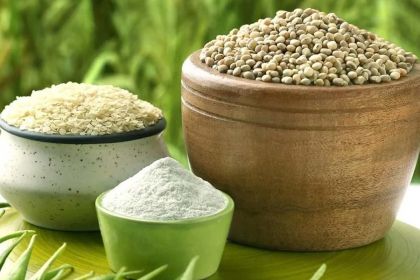
5 Amazing Health Benefits of Guar Gum You Need to Know

Guar gum is derived from the natural fiber that comes out of the guar bean. This thickener is commonly found in food products, but it is better known ...

View More
Clarifying Your Doubts

Find answers to common questions about our products, quality, sourcing, and usage. Whether it’s about ingredients, sustainability, or certifications, our FAQs provide clear insights. We prioritize transparency and excellence. Need more details? Explore our answers or contact us for support. Your satisfaction matters, and we’re here to help every step of the way!

What are the benefits of essential oils?

Essential oils are concentrated plant extracts known for their therapeutic properties. They are widely used in aromatherapy, skin care, and holistic healing. These oils help relieve stress, improve sleep, enhance mood, and support overall well-being.

Seed oils, derived from nutrient-rich seeds, are packed with essential fatty acids, vitamins, and antioxidants. They are commonly used in cooking, skincare, hair care, and medicinal applications. Popular seed oils include neem oil for pest control and flaxseed oil for heart health.

Guar gum is a natural thickening agent extracted from guar beans. It is widely used in the food industry for improving texture in dairy, bakery, and processed foods. Additionally, it plays a crucial role in cosmetics, pharmaceuticals, and even industrial applications like oil drilling and paper manufacturing.

High-quality vegetable seeds ensure better germination, disease resistance, and higher yield. They are essential for sustainable agriculture, providing healthier crops with improved nutritional value. Choosing organic, non-GMO seeds promotes biodiversity and reduces the use of harmful chemicals in farming.

Biopesticides are natural pest control solutions derived from plants, bacteria, fungi, and minerals. They help protect crops from pests while being environmentally friendly. Unlike chemical pesticides, biopesticides leave no harmful residues, making them safer for humans, animals, and the ecosystem.

Herbal extracts are concentrated forms of medicinal plants, used for their health benefits in supplements, skincare, and traditional medicine. Rich in bioactive compounds, they support immunity, digestion, skin health, and overall wellness. Herbal extracts are often found in teas, tinctures, capsules, and natural cosmetics.

Our Clients

Trusted by businesses worldwide, our clients include industries ranging from wellness and agriculture to personal care and pharmaceuticals. With a commitment to quality, sustainability, and innovation, we build lasting partnerships. Our natural products empower brands to create high-quality solutions. Join a growing community that values purity, reliability, and excellence in every product.


© 2026 HR Herbals International. All Rights Reserved.
Powered by HR Herbal International
Send Enquiry