>
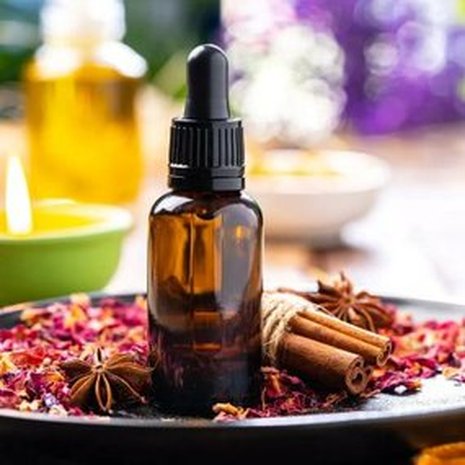
Essential Oils Manufacturers in Pakistan
Essential oils have, thus, become the in-things in wellness regimens, skin-care products, and even h...
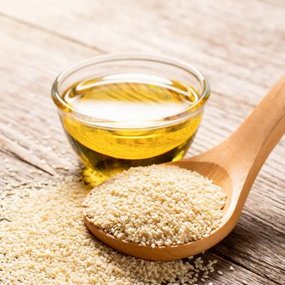
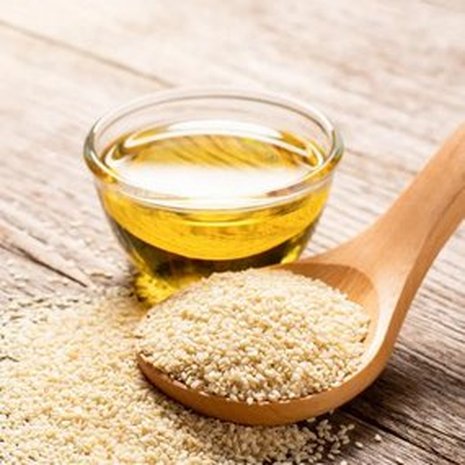
Seed Oils Manufacturers in Pakistan
Seed oils have been part of health, spirituality, and cooking for thousands of years. These oils are...
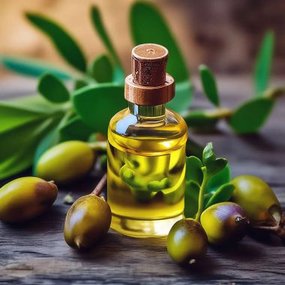
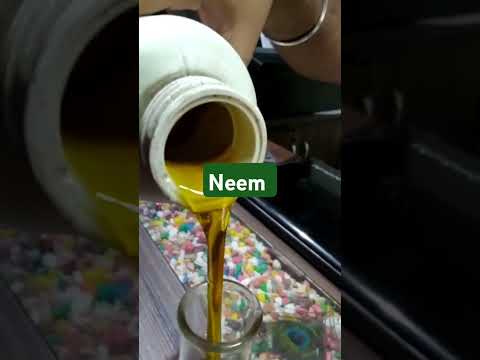
Neem Seed Oil Manufacturers in Pakistan
Resulting from being medicinal and beneficial on skin, and even in agriculture, neem oil had surely ...
HR Herbals International

Clove Oil: Antimicrobial Properties and Industrial Uses

A trusted name in natural solutions, we offer premium essential oils, herbal extracts, seed oils, biopesticides, and more. Committed to quality, sustainability, and innovation, our products serve the wellness, agriculture, and personal care industries. Harnessing nature’s power, we strive to create healthier lives, a greener planet, and a better future for all.

Long before antibiotics existed, before synthetic analgesics were discovered, and before modern dentistry developed its full arsenal of treatments, people used clove oil to relieve toothache. This practical application — pressing a clove or applying clove oil to an aching tooth — was not folk medicine superstition. It was empirically effective, and modern science understands exactly why. Eugenol, the primary active compound in clove oil, is one of the most potent naturally occurring local anesthetics and antimicrobial agents known, and it remains in clinical use in dentistry to this day.

Clove essential oil is extracted from the buds, leaves, or stems of Syzygium aromaticum (formerly Eugenia caryophyllata), a tropical tree native to the Maluku Islands of Indonesia. Pakistan imports significant quantities of dried clove buds for local use and for processing into essential oil for export. The country's expertise in essential oil processing allows it to produce high-quality clove bud oil meeting international specifications.

Chemistry: The Eugenol Story

Clove bud oil typically contains 72% to 90% eugenol as its primary component, making it one of the most compositionally concentrated essential oils commercially available. Other compounds include eugenyl acetate (5% to 15%), beta-caryophyllene (5% to 12%), and minor amounts of various other sesquiterpenes and phenolic compounds.

Eugenol is a phenylpropanoid compound with a characteristic warm, spicy, somewhat medicinal aroma. Its structure contains a phenol group attached to a propene side chain, giving it both the chemical reactivity typical of phenols and the additional properties contributed by the side chain. This structure is responsible for eugenol's multiple pharmacological activities.

As a local anesthetic, eugenol works by blocking sodium ion channels in nerve membranes — the same mechanism used by lidocaine and other pharmaceutical local anesthetics. This blocks the transmission of pain signals from the affected area to the brain. The anesthesia produced by eugenol is temporary and not as profound as modern dental anesthetics, but it is effective enough to provide meaningful pain relief for toothache and minor dental procedures.

As an antimicrobial agent, eugenol disrupts bacterial and fungal cell membranes through several mechanisms including inhibiting membrane-associated enzyme activity and increasing membrane permeability. It has demonstrated activity against a wide spectrum of bacteria including Staphylococcus aureus, Escherichia coli, Salmonella species, and Listeria monocytogenes, and against Candida and other fungal species.

Dental and Oral Care Applications

Dentistry remains the most clinically established application area for clove oil. Eugenol and zinc oxide-eugenol (ZOE) formulations have been used in dentistry for over a century and remain in regular use in modern dental practice.

Dry socket treatment is one of the most important dental applications. Dry socket (alveolar osteitis) is a painful complication of tooth extraction where the blood clot that normally protects the exposed bone is lost or fails to form. It affects approximately 3% to 5% of routine extractions and 25% to 30% of lower wisdom tooth extractions. The standard treatment involves placing a medicated dressing containing eugenol or clove oil into the socket, which provides pain relief and promotes healing. This treatment has remained essentially unchanged for decades because it works reliably and is difficult to improve upon with alternative approaches.

Temporary filling materials often use zinc oxide-eugenol cements, which are easily manipulated, have good compressive strength, and provide the sedative effect of eugenol on pulpal tissues. When a tooth with pulpal sensitivity needs to be covered temporarily, ZOE materials help calm the tooth while the underlying condition is assessed or treated.

Root canal sealers and medicaments have historically used eugenol extensively. While modern root canal sealers have moved somewhat away from eugenol due to concerns about tissue toxicity at high concentrations in direct contact with periapical tissues, eugenol-containing sealers are still used in many parts of the world.

Toothache home remedies using clove oil are widely known and practiced. Applying a small amount of clove oil to the gum adjacent to a painful tooth provides temporary relief of toothache pain. This is a reasonable first aid measure while waiting to see a dentist, though it does not address the underlying cause of the pain.

Mouthwashes and toothpastes incorporate clove oil at low concentrations for its antimicrobial properties and its contribution to the warm, spicy flavor profile of some oral care products. Research has shown that clove oil-containing mouthwashes reduce plaque formation and the bacteria associated with gingivitis.

Food Industry Applications

Clove and clove oil are among the most important spice-derived flavoring agents in the global food industry. The complex, warm, slightly sweet and bitter flavor of clove — dominated by eugenol's characteristic spice note — is used extensively in processed foods, beverages, and baked goods globally.

Spice blends and seasoning mixes use clove as a component in many traditional formulations. Five-spice powder in Chinese cuisine, mixed spice in British baking, garam masala in South Asian cooking, and berbere in Ethiopian cuisine all contain clove. Food manufacturers producing these blends may use clove oil rather than ground clove for more consistent flavor delivery and easier handling in production.

Meat products including sausages, cured meats, and processed meat products use clove oil as a flavoring and as an antimicrobial agent that helps extend shelf life. Eugenol's antimicrobial activity against food-borne pathogens including Salmonella and Listeria has led to research into its use as a natural preservative in meat products as an alternative to synthetic preservatives.

Bakery applications include clove oil in spiced cakes, gingerbread, holiday cookies, mince pies, and various traditional baked goods. The combination of cinnamon, clove, and nutmeg is one of the most classic spice combinations in Western baking tradition, appearing in products sold throughout the year but particularly in autumn and winter holidays.

Beverage applications include clove oil in spiced wines (mulled wine, glühwein), herbal teas, flavored spirits, bitters and liqueurs, and traditional herbal beverage formulations. Chai tea, the spiced milk tea popular across South Asia and increasingly worldwide, contains clove as one of its key spices alongside cardamom, cinnamon, and ginger.

Antimicrobial Applications Beyond Food

Clove oil's powerful antimicrobial properties are finding new applications beyond the traditional food and dental contexts as interest in natural alternatives to synthetic biocides grows across multiple industries.

Agricultural applications are receiving increasing research attention. Clove oil has been studied as a component of biopesticide formulations for control of soil-borne fungal pathogens, post-harvest fungal infections of fruits and vegetables, and certain bacterial plant diseases. Research has shown promising results for clove oil-based treatments for botrytis in grapes, post-harvest mold on citrus and strawberries, and as a preplant soil treatment for soilborne pathogens.

Textile applications use clove oil as a natural antimicrobial treatment for fabrics. Functional textiles designed to reduce odor from bacterial growth — athletic wear, medical textiles, socks — are increasingly using natural antimicrobial treatments including clove oil as consumers demand more natural product formulations. The challenge is developing treatment methods that maintain antimicrobial efficacy through multiple washing cycles.

Surface disinfection and cleaning product applications use clove oil as a natural active ingredient. Products marketed as eco-friendly, plant-based disinfectants and cleaners often use essential oils with documented antimicrobial properties including clove, thyme, and tea tree oil. While these products are generally not as potent as hospital-grade synthetic disinfectants, they are effective for household hygiene applications and appeal to consumers seeking natural alternatives.

Aromatherapy and Wellness Applications

Clove oil is used in aromatherapy for its stimulating, warming, and analgesic properties. It is considered a hot oil — meaning it produces a sensation of warmth on skin and mucous membranes and should be used at low dilutions to avoid irritation. Aromatherapy uses of clove oil include blends for immune support (combined with other antimicrobial oils), warming massage blends for muscular aches (particularly in cold weather), and mental clarity and focus blends.

Diffuser use of clove oil creates a warm, spiced ambiance that many people find comforting and seasonal. During autumn and winter, clove oil blended with cinnamon, orange, and other warming spice essential oils is widely used in home diffusers. At very low concentrations appropriate for diffusion, clove oil is generally safe for healthy adults, though it should be used sparingly and with good ventilation.

Safety and Handling Considerations

Clove oil requires careful handling. Eugenol is a primary skin sensitizer — meaning it can cause allergic reactions in sensitive individuals, and repeated exposure to even diluted concentrations can cause sensitization in people who were not previously allergic. The International Fragrance Association (IFRA) has established usage guidelines for eugenol in cosmetic formulations to minimize sensitization risk. These guidelines specify maximum concentrations for different product types and application areas.

In food applications, eugenol is regulated as a flavoring substance in most markets, with specific maximum usage levels for different food categories established by regulatory authorities. Buyers using clove oil in food products should verify compliance with the regulations of their specific market.

HR Herbal International exports clove bud essential oil meeting pharmaceutical and food grade specifications. Our oil has documented eugenol content, is tested for adulteration, and comes with complete export documentation including Certificate of Analysis and Halal certificate. Contact us to discuss your requirements.

What Makes Us Different?

Providing 100% natural ingredients, certified organic products, and affordable solutions, we bring nature’s finest to you. Committed to purity and sustainability, our offerings support wellness, agriculture, and personal care. With 24/7 availability, premium quality is always accessible. Experience excellence through eco-friendly, carefully crafted products designed for a healthier, greener, and better future.

24/7 Availability
Quality products and support are available 24/7, ensuring seamless service and uninterrupted access anytime, anywhere.
Certified Organic
Certified organic products made with 100% natural ingredients, ensuring purity, sustainability, and unmatched quality for healthier living.
100% Natural Ingredients
Made with 100% natural ingredients, ensuring purity, safety, and effectiveness for a healthier and sustainable lifestyle.
Affordable Prices
Premium quality products at affordable prices, making natural wellness and purity accessible to everyone, anytime.
What Our Clients Say
Testimonials
Discover what our satisfied customers have to say! From premium essential oils to herbal extracts, our natural products have transformed lives. Hear real experiences of quality, purity, and effectiveness. Your feedback inspires us to keep growing!
Our Top Products

Offering a diverse range of 100% natural, certified organic products at affordable prices, ensuring purity and sustainability. From essential oils and herbal extracts to biopesticides and personal care solutions, every product is crafted with care. With 24/7 availability, experience the perfect blend of nature and innovation for a healthier, greener, and more balanced life.
Herbal Extracts Manufacturers in Pakistan
Herbal Extracts

Herbal extracts have been used for centuries for nature cure medicines for health, well-being, and s...

Animal Feed Manufacturers in Pakistan
Animal Feed

Good nutrition is what will keep livestock healthy, productive, and growing. Good feeding practices ...
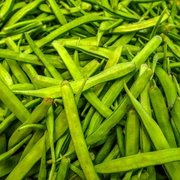
Guar Gum Manufacturers in Pakistan
Guar Gum

Guar gum is an incredibly versatile natural thickening and stabilizing agent in food, pharmaceutical...

Biopesticides Manufacturers in Pakistan
Biopesticides

The future of pest control in agriculture is nothing less than biopesticides. They are redefinition-...

Latest Blogs

Stay informed with the latest blogs covering natural wellness, herbal solutions, and sustainable living. Explore expert insights, industry trends, and health benefits of organic products. From essential oils to eco-friendly innovations, discover valuable knowledge to enhance your lifestyle. Stay updated, stay inspired, and embrace nature’s best with every read. New blogs are posted regularly!

Five Strong Herbal Supplements That Will Help You Feel Better Every Day

In today's busy world, it could be challenging to stay healthy. More and more people are taking herbal supplements to get healthier in a safe, na...

View More

What Important Role Do Biopesticides Play in Organic Farming?

Organic farming has now proven to be a sustainable way of producing food, and it has gained great popularity because of that. The biggest challenge in...

View More
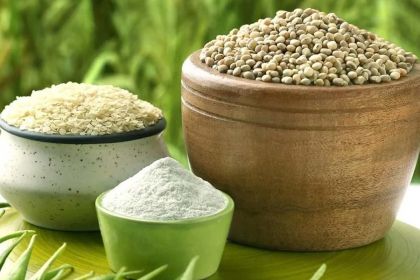
5 Amazing Health Benefits of Guar Gum You Need to Know

Guar gum is derived from the natural fiber that comes out of the guar bean. This thickener is commonly found in food products, but it is better known ...

View More
Clarifying Your Doubts

Find answers to common questions about our products, quality, sourcing, and usage. Whether it’s about ingredients, sustainability, or certifications, our FAQs provide clear insights. We prioritize transparency and excellence. Need more details? Explore our answers or contact us for support. Your satisfaction matters, and we’re here to help every step of the way!

What are the benefits of essential oils?

Essential oils are concentrated plant extracts known for their therapeutic properties. They are widely used in aromatherapy, skin care, and holistic healing. These oils help relieve stress, improve sleep, enhance mood, and support overall well-being.

Seed oils, derived from nutrient-rich seeds, are packed with essential fatty acids, vitamins, and antioxidants. They are commonly used in cooking, skincare, hair care, and medicinal applications. Popular seed oils include neem oil for pest control and flaxseed oil for heart health.

Guar gum is a natural thickening agent extracted from guar beans. It is widely used in the food industry for improving texture in dairy, bakery, and processed foods. Additionally, it plays a crucial role in cosmetics, pharmaceuticals, and even industrial applications like oil drilling and paper manufacturing.

High-quality vegetable seeds ensure better germination, disease resistance, and higher yield. They are essential for sustainable agriculture, providing healthier crops with improved nutritional value. Choosing organic, non-GMO seeds promotes biodiversity and reduces the use of harmful chemicals in farming.

Biopesticides are natural pest control solutions derived from plants, bacteria, fungi, and minerals. They help protect crops from pests while being environmentally friendly. Unlike chemical pesticides, biopesticides leave no harmful residues, making them safer for humans, animals, and the ecosystem.

Herbal extracts are concentrated forms of medicinal plants, used for their health benefits in supplements, skincare, and traditional medicine. Rich in bioactive compounds, they support immunity, digestion, skin health, and overall wellness. Herbal extracts are often found in teas, tinctures, capsules, and natural cosmetics.

Our Clients

Trusted by businesses worldwide, our clients include industries ranging from wellness and agriculture to personal care and pharmaceuticals. With a commitment to quality, sustainability, and innovation, we build lasting partnerships. Our natural products empower brands to create high-quality solutions. Join a growing community that values purity, reliability, and excellence in every product.


© 2026 HR Herbals International. All Rights Reserved.
Powered by HR Herbal International
Send Enquiry