>
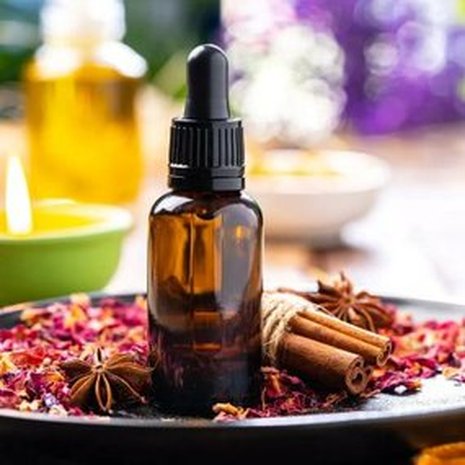
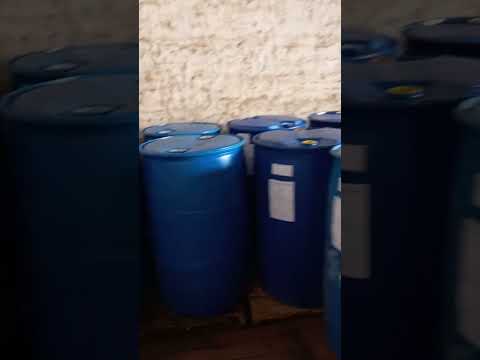
Essential Oils Manufacturers in Pakistan
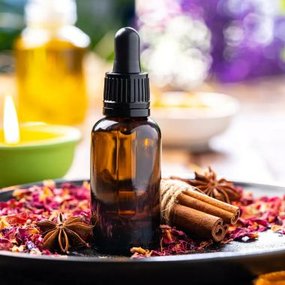
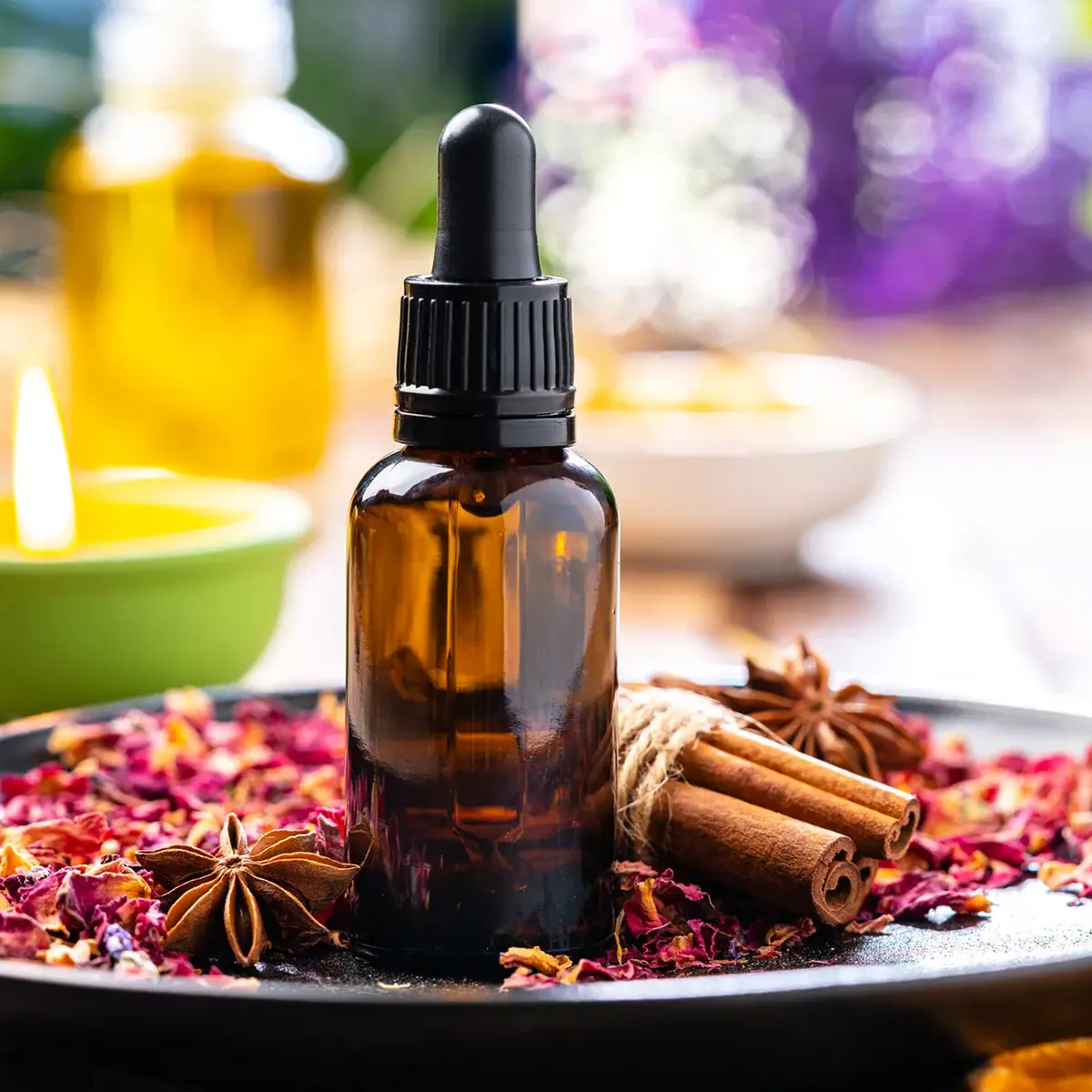
Essential oils have, thus, become the in-things in wellness regimens, skin-care products, and even h...
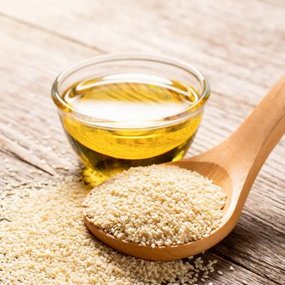
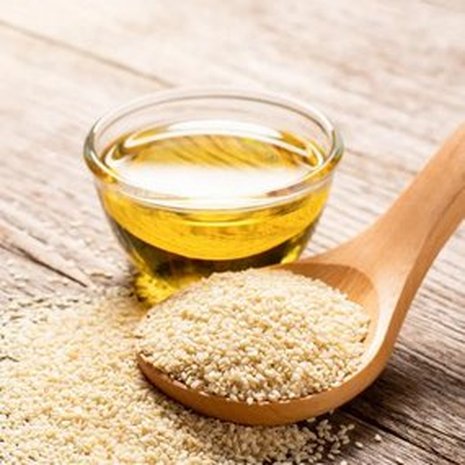
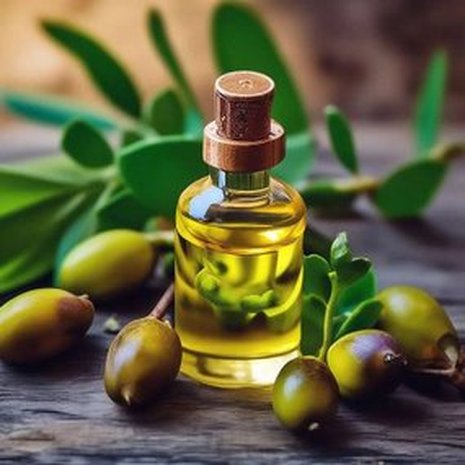
Seed Oils Manufacturers in Pakistan
Seed oils have been part of health, spirituality, and cooking for thousands of years. These oils are...
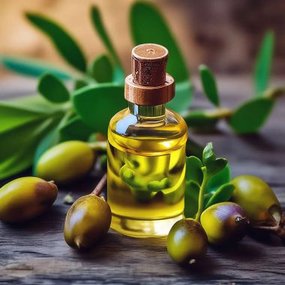
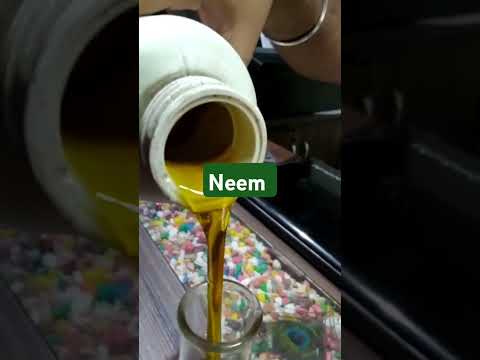
Neem Seed Oil Manufacturers in Pakistan
Resulting from being medicinal and beneficial on skin, and even in agriculture, neem oil had surely ...
HR Herbals International

Guar Gum in Food Industry: Complete Guide for Importers

A trusted name in natural solutions, we offer premium essential oils, herbal extracts, seed oils, biopesticides, and more. Committed to quality, sustainability, and innovation, our products serve the wellness, agriculture, and personal care industries. Harnessing nature’s power, we strive to create healthier lives, a greener planet, and a better future for all.

If you have eaten ice cream, salad dressing, gluten-free bread, canned soup, or dozens of other common foods recently, you have almost certainly consumed guar gum without knowing it. This remarkable natural polysaccharide, derived from the seeds of the guar plant (Cyamopsis tetragonoloba), is one of the most widely used food additives in the world. It appears on ingredient labels as guar gum, guaran, or E412 in European Union labeling.

For food manufacturers and importers, guar gum is an indispensable ingredient that solves a wide range of formulation challenges. It thickens, stabilizes, emulsifies, and improves texture in ways that are difficult or impossible to replicate with other ingredients at comparable cost. Pakistan and India together produce the vast majority of the world's guar supply, and understanding where this ingredient comes from, how it is processed, and what quality standards apply is essential for anyone sourcing it internationally.

What is Guar Gum and How is it Made?

Guar gum is a galactomannan polysaccharide — a long-chain carbohydrate composed of mannose and galactose sugar units. The molecular structure is a straight chain of mannose units with galactose branches occurring roughly every other mannose unit. This structure gives guar gum its extraordinary water-absorbing and thickening properties.

The production process begins at harvest. Guar pods are collected from the plants and the seeds are separated mechanically. The seeds are then split to separate the endosperm (which contains the gum) from the germ and hull. The endosperm is ground into a powder, which may be further processed through enzymatic, chemical, or physical modification to produce specialty grades with different properties.

The quality of the final product depends critically on several factors: the variety of guar cultivated, the climate and soil conditions of the growing region, the timing of harvest, the cleanliness of the processing facility, and the milling technology used. Pakistan's guar growing regions, particularly in Punjab and Sindh provinces, produce high-quality guar beans that yield gum with excellent viscosity and purity characteristics.

Food Grade Specifications: What Importers Must Know

Food-grade guar gum must meet specific purity and quality requirements set by regulatory authorities in importing countries. The most important reference standards are those established by the Joint FAO/WHO Expert Committee on Food Additives (JECFA), the European Union's food additive regulations (E412), the United States Food and Drug Administration (FDA, 21 CFR 184.1339), and the Food Chemicals Codex (FCC).

Key specifications for food-grade guar gum include viscosity (typically measured as a 1% solution at 25°C and should be above 3,000 cP for standard grades), protein content (maximum 10% for food grade), moisture content (maximum 15%), ash content (maximum 1.5%), acid-insoluble residue (maximum 2%), and lead content (maximum 2 ppm).

Microbial specifications are equally important. Food-grade guar gum must meet limits for total aerobic plate count, coliform bacteria, E. coli, Salmonella, and mold and yeast. These specifications vary somewhat between markets, but buyers should always request a Certificate of Analysis (COA) from their supplier showing microbiological test results from an accredited laboratory.

Mesh size (particle size distribution) affects how quickly the gum hydrates and how smoothly it disperses. Standard food-grade guar gum is typically 200 mesh (approximately 75 microns), but finer grades (through 300 mesh) are available for applications where rapid, lump-free hydration is critical.

Applications in the Food Industry

Guar gum functions primarily as a thickener, stabilizer, and emulsifier. Its uses span virtually every segment of the food industry.

Dairy Products: In ice cream and frozen desserts, guar gum prevents ice crystal formation during storage and thaw cycles, maintaining a smooth texture through freeze-thaw abuse. It also reduces the rate of melting when the ice cream is removed from the freezer. Typical usage levels are 0.1% to 0.5%. In yogurt, guar gum improves texture and prevents syneresis (whey separation). In processed cheese, it contributes to body and mouthfeel.

Bakery Products: This is one of the largest application areas for guar gum. In gluten-free baking, guar gum partially replaces the structure-building function of gluten, helping bind ingredients together, trap gas bubbles during fermentation, and create an acceptable crumb texture. Without guar gum or a similar hydrocolloid, most gluten-free baked goods would be dense, crumbly, and unpalatable. Usage levels of 0.5% to 1.5% are typical in gluten-free formulations.

In conventional baked goods, guar gum improves moisture retention, extends shelf life, and reduces staling. Bread made with small amounts of guar gum stays soft longer than bread without it, reducing food waste for both manufacturers and consumers.

Sauces, Dressings, and Condiments: Guar gum is an excellent thickener for cold applications because, unlike starch, it develops full viscosity in cold water without cooking. This makes it ideal for salad dressings, mayonnaise, barbecue sauces, and dips. It also provides the stable, homogeneous texture that prevents separation of oil and water phases in emulsified products. Usage levels typically range from 0.1% to 0.8%.

Beverages: In fruit juices and nectars, guar gum maintains suspension of pulp particles and prevents settling. In meal replacement shakes and nutritional beverages, it contributes to a thick, satisfying mouthfeel and helps maintain a uniform distribution of protein particles. In beer, guar gum is sometimes used as a filtration aid.

Soups and Gravies: Guar gum thickens both canned and instant soups. For instant products, its cold-water thickening capability is particularly valuable — the consumer simply adds hot or cold water and the soup thickens immediately without cooking.

Meat Products: In processed meats like sausages, luncheon meats, and canned meats, guar gum improves water holding capacity, reduces cooking losses, and improves sliceability. It also helps emulsify the fat and water components of the product.

Noodles and Pasta: Asian instant noodle manufacturers use guar gum to improve the texture and cooking quality of their products. It reduces cooking time and prevents the noodles from becoming too sticky or mushy during the brief cooking that instant noodles require.

Regulatory Status Worldwide

Guar gum has been approved for food use in virtually every major regulatory jurisdiction. In the United States, the FDA classifies guar gum as Generally Recognized as Safe (GRAS) with no specified maximum usage level — it is used at the quantity necessary to achieve the desired technical effect. In the European Union, guar gum is an approved food additive (E412) permitted in a wide range of food categories with specific maximum usage levels defined for each. In Australia and New Zealand, it is approved under the food standards code. In Japan, China, and most other Asian countries, it is also approved.

Importers should verify the current regulatory status in their specific market before importing, as regulations can change and specific applications may have different rules than general approval might suggest.

Organic and Non-GMO Certification

Growing demand for organic and non-GMO labeled food products has created demand for certified organic guar gum and non-GMO verified guar gum. Guar (Cyamopsis tetragonoloba) is not a genetically modified crop — there are no commercially available GMO guar varieties — so non-GMO verification is relatively straightforward. Certified organic guar gum is available from suppliers who grow the guar beans according to organic farming standards and process them in certified organic facilities.

Importers selling into markets where organic or non-GMO labeling is commercially important should specify these requirements to their supplier and request appropriate certification documentation. The most recognized organic certifications for products being sold in Western markets are USDA Organic certification for US markets and EU Organic certification for European markets.

Pricing and Market Dynamics

Guar gum prices are notoriously volatile. The primary driver of price volatility is weather in the guar-growing regions of Pakistan and India. Drought years reduce guar bean production significantly, leading to supply shortages and price spikes. Conversely, favorable monsoon seasons can lead to bumper crops and price decreases.

Demand-side factors also affect prices. The oil and gas industry uses guar gum derivatives as a key component in hydraulic fracturing (fracking) fluids, and demand from this sector can spike dramatically with increases in drilling activity, particularly in the United States and Canada. When oilfield demand spikes, it competes with food-grade demand and drives up prices across all grades.

Importers who purchase large volumes would be wise to establish long-term supply agreements with reliable Pakistani exporters to achieve price stability and supply security. Building relationships with multiple suppliers also provides protection against supply disruptions from any single source.

Why Source Guar Gum from Pakistan

Pakistan is one of the two largest guar-producing countries in the world, along with India. Pakistani guar gum has several advantages for international buyers. Pakistani processors have invested heavily in modern milling and quality control equipment. The geographical diversity of Pakistan's guar growing regions means that production is spread across different micro-climates, reducing the risk of total crop failure in any single season. Pakistani exporters have extensive experience serving demanding international markets including the EU, the US, and Japan.

At HR Herbal International, we export food-grade guar gum that meets the most demanding international specifications. Our products are tested by accredited laboratories and we provide full documentation including Certificate of Analysis, Certificate of Origin, Halal certificate, and phytosanitary certificate. Contact our export team to discuss your requirements and receive a competitive quotation.

What Makes Us Different?

Providing 100% natural ingredients, certified organic products, and affordable solutions, we bring nature’s finest to you. Committed to purity and sustainability, our offerings support wellness, agriculture, and personal care. With 24/7 availability, premium quality is always accessible. Experience excellence through eco-friendly, carefully crafted products designed for a healthier, greener, and better future.

24/7 Availability
Quality products and support are available 24/7, ensuring seamless service and uninterrupted access anytime, anywhere.
Certified Organic
Certified organic products made with 100% natural ingredients, ensuring purity, sustainability, and unmatched quality for healthier living.
100% Natural Ingredients
Made with 100% natural ingredients, ensuring purity, safety, and effectiveness for a healthier and sustainable lifestyle.
Affordable Prices
Premium quality products at affordable prices, making natural wellness and purity accessible to everyone, anytime.
What Our Clients Say
Testimonials
Discover what our satisfied customers have to say! From premium essential oils to herbal extracts, our natural products have transformed lives. Hear real experiences of quality, purity, and effectiveness. Your feedback inspires us to keep growing!
Our Top Products

Offering a diverse range of 100% natural, certified organic products at affordable prices, ensuring purity and sustainability. From essential oils and herbal extracts to biopesticides and personal care solutions, every product is crafted with care. With 24/7 availability, experience the perfect blend of nature and innovation for a healthier, greener, and more balanced life.
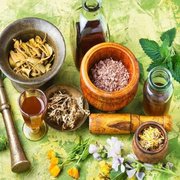
Herbal Extracts Manufacturers in Pakistan
Herbal Extracts

Herbal extracts have been used for centuries for nature cure medicines for health, well-being, and s...
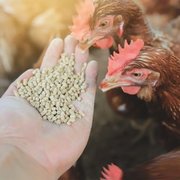
Animal Feed Manufacturers in Pakistan
Animal Feed

Good nutrition is what will keep livestock healthy, productive, and growing. Good feeding practices ...
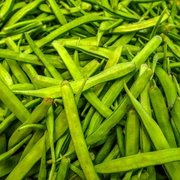
Guar Gum Manufacturers in Pakistan
Guar Gum

Guar gum is an incredibly versatile natural thickening and stabilizing agent in food, pharmaceutical...

Biopesticides Manufacturers in Pakistan
Biopesticides

The future of pest control in agriculture is nothing less than biopesticides. They are redefinition-...

Latest Blogs

Stay informed with the latest blogs covering natural wellness, herbal solutions, and sustainable living. Explore expert insights, industry trends, and health benefits of organic products. From essential oils to eco-friendly innovations, discover valuable knowledge to enhance your lifestyle. Stay updated, stay inspired, and embrace nature’s best with every read. New blogs are posted regularly!
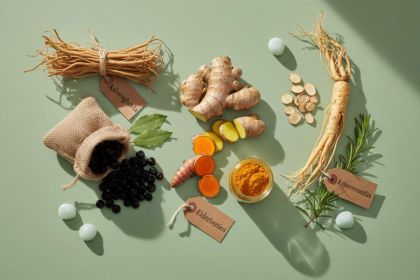
Five Strong Herbal Supplements That Will Help You Feel Better Every Day

In today's busy world, it could be challenging to stay healthy. More and more people are taking herbal supplements to get healthier in a safe, na...

View More
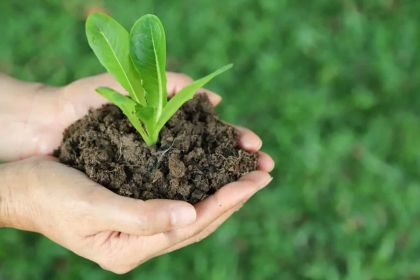
What Important Role Do Biopesticides Play in Organic Farming?

Organic farming has now proven to be a sustainable way of producing food, and it has gained great popularity because of that. The biggest challenge in...

View More
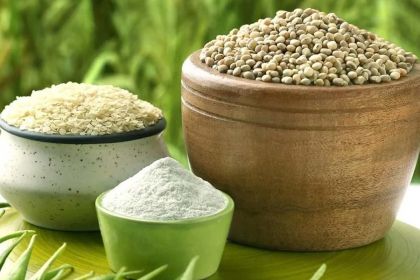
5 Amazing Health Benefits of Guar Gum You Need to Know

Guar gum is derived from the natural fiber that comes out of the guar bean. This thickener is commonly found in food products, but it is better known ...

View More
Clarifying Your Doubts

Find answers to common questions about our products, quality, sourcing, and usage. Whether it’s about ingredients, sustainability, or certifications, our FAQs provide clear insights. We prioritize transparency and excellence. Need more details? Explore our answers or contact us for support. Your satisfaction matters, and we’re here to help every step of the way!

What are the benefits of essential oils?

Essential oils are concentrated plant extracts known for their therapeutic properties. They are widely used in aromatherapy, skin care, and holistic healing. These oils help relieve stress, improve sleep, enhance mood, and support overall well-being.

Seed oils, derived from nutrient-rich seeds, are packed with essential fatty acids, vitamins, and antioxidants. They are commonly used in cooking, skincare, hair care, and medicinal applications. Popular seed oils include neem oil for pest control and flaxseed oil for heart health.

Guar gum is a natural thickening agent extracted from guar beans. It is widely used in the food industry for improving texture in dairy, bakery, and processed foods. Additionally, it plays a crucial role in cosmetics, pharmaceuticals, and even industrial applications like oil drilling and paper manufacturing.

High-quality vegetable seeds ensure better germination, disease resistance, and higher yield. They are essential for sustainable agriculture, providing healthier crops with improved nutritional value. Choosing organic, non-GMO seeds promotes biodiversity and reduces the use of harmful chemicals in farming.

Biopesticides are natural pest control solutions derived from plants, bacteria, fungi, and minerals. They help protect crops from pests while being environmentally friendly. Unlike chemical pesticides, biopesticides leave no harmful residues, making them safer for humans, animals, and the ecosystem.

Herbal extracts are concentrated forms of medicinal plants, used for their health benefits in supplements, skincare, and traditional medicine. Rich in bioactive compounds, they support immunity, digestion, skin health, and overall wellness. Herbal extracts are often found in teas, tinctures, capsules, and natural cosmetics.

Our Clients

Trusted by businesses worldwide, our clients include industries ranging from wellness and agriculture to personal care and pharmaceuticals. With a commitment to quality, sustainability, and innovation, we build lasting partnerships. Our natural products empower brands to create high-quality solutions. Join a growing community that values purity, reliability, and excellence in every product.

© 2026 HR Herbals International. All Rights Reserved.
Powered by HR Herbal International
Send Enquiry