>
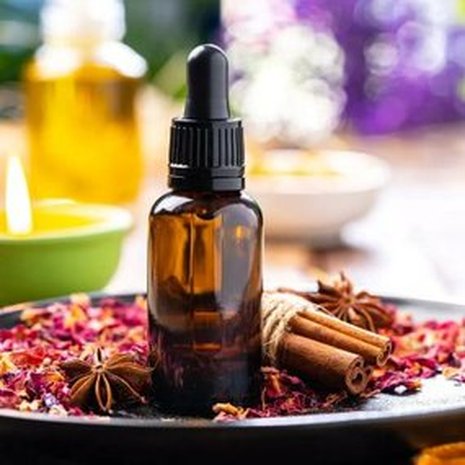
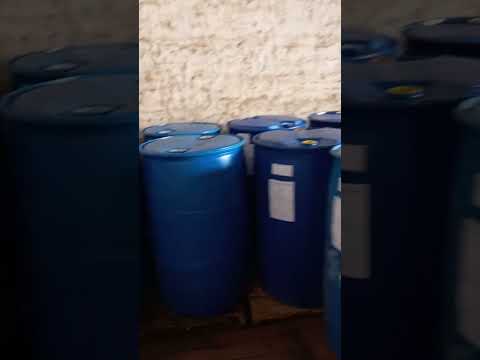
Essential Oils Manufacturers in Pakistan
Essential oils have, thus, become the in-things in wellness regimens, skin-care products, and even h...
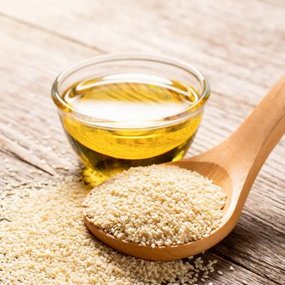
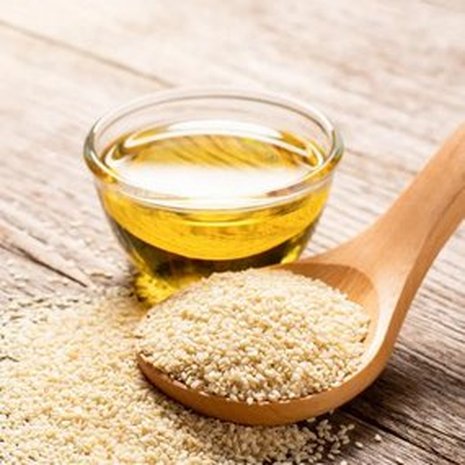
Seed Oils Manufacturers in Pakistan
Seed oils have been part of health, spirituality, and cooking for thousands of years. These oils are...
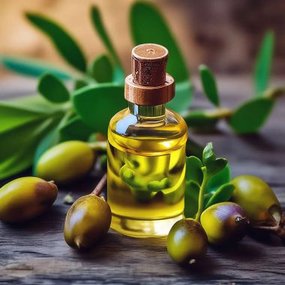
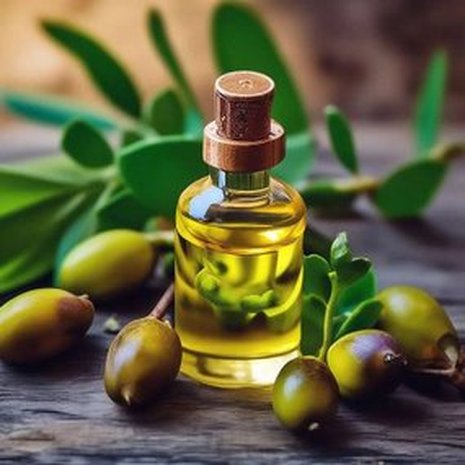
Neem Seed Oil Manufacturers in Pakistan
Resulting from being medicinal and beneficial on skin, and even in agriculture, neem oil had surely ...
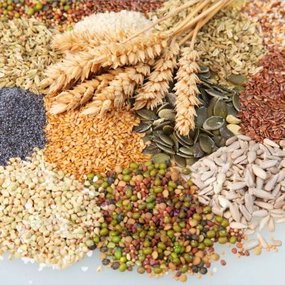
HR Herbals International

Herbal Extracts: Manufacturing Process and Quality Standards

A trusted name in natural solutions, we offer premium essential oils, herbal extracts, seed oils, biopesticides, and more. Committed to quality, sustainability, and innovation, our products serve the wellness, agriculture, and personal care industries. Harnessing nature’s power, we strive to create healthier lives, a greener planet, and a better future for all.

The herbal extract industry occupies a fascinating intersection of traditional botanical knowledge and modern pharmaceutical science. At its best, it takes medicinal plants with millennia of empirical use behind them, applies rigorous analytical and processing technology to concentrate their active compounds, and delivers standardized ingredients that meet the quality requirements of modern pharmaceutical and nutraceutical manufacturers.

Pakistan is a significant producer and exporter of herbal extracts, with manufacturers capable of supplying standardized extracts meeting the quality requirements of European, American, and Middle Eastern markets. Understanding the manufacturing processes behind these products and the quality standards that govern them is valuable knowledge for buyers seeking reliable, high-quality herbal extract sources.

What is a Herbal Extract?

A herbal extract is a concentrated preparation of the bioactive compounds from a medicinal plant. Unlike whole plant powders or dried herbs, extracts have been processed to increase the concentration of active compounds relative to inactive plant material (cellulose, starches, and other structural components), improve the bioavailability of active compounds, standardize the product to a defined content of key compounds, and enhance stability and shelf life compared to fresh plant material.

The degree of concentration and standardization varies enormously across the product landscape. A simple 4:1 extract means four kilograms of plant material was used to produce one kilogram of extract — a modest four-fold concentration. A highly standardized extract like 95% curcuminoids from turmeric has been processed far more extensively to achieve an extraordinary concentration of specific compounds. Understanding these differences is essential for buyers who need to specify what they are purchasing accurately.

Raw Material: The Foundation of Quality

Every herbal extract begins with the plant raw material, and the quality of the finished extract can never exceed the quality of the starting material. This fundamental reality is often underappreciated by buyers who focus exclusively on the specifications of the finished extract.

Botanical identity is the first raw material quality requirement. The plant must be correctly identified to the species level, as different species within the same genus can have very different chemical compositions and consequently different pharmaceutical effects. Cases of misidentification in herbal supply chains have caused serious problems, and reputable manufacturers invest in botanical verification including macroscopic and microscopic examination, and increasingly in DNA barcoding for definitive species identification.

Part of plant used is another critical specification. Different parts of the same plant can have dramatically different chemical compositions. Echinacea root has a different alkaloid profile than Echinacea aerial parts. Valerian root is the pharmacologically active part, while the leaves have much lower valerenic acid content. Buyers must specify not just the plant species but the plant part required.

Growing conditions and origin affect the chemical composition of medicinal plants. Wild-crafted plants from natural habitats often have different compound profiles than cultivated plants. Plants grown in different geographic regions and soil types can have significant compositional variation. This variability in raw material is one of the key challenges that standardization processes are designed to address.

Contamination testing of raw materials is essential before processing begins. Agricultural raw materials can be contaminated with pesticide residues, heavy metals from soil contamination, mycotoxins from fungal growth, and microorganisms including potential pathogens. Responsible manufacturers test raw materials for these contaminants before processing and reject lots that do not meet specifications.

Extraction Methods

Several different extraction technologies are used in herbal extract manufacturing, each with advantages and disadvantages depending on the target compounds and the scale of operation.

Water extraction (decoction or infusion): The simplest extraction method, used when target compounds are water-soluble. Plant material is heated with water and the resulting solution is filtered and concentrated. This method is used for extracting polysaccharides, saponins, and various other water-soluble compounds. It is cost-effective but not suitable for compounds that degrade at the high temperatures used or that are not water-soluble.

Ethanol extraction: Ethanol (food-grade alcohol) is the most widely used extractant for pharmaceutical and nutraceutical herbal extracts. Its polarity can be adjusted by diluting with water to preferentially extract compounds of different solubility profiles. Ethanol extraction is used for alkaloids, flavonoids, phenolic acids, terpenes, and many other classes of bioactive compound. The ethanol must be removed from the extract after processing, typically by evaporation under reduced pressure, leaving a concentrated extract with minimal solvent residue.

Hydroethanolic extraction: A mixture of water and ethanol (the ratio varies from 30:70 to 70:30 depending on the target compounds) is used to simultaneously extract both water-soluble and alcohol-soluble compounds. This method is commonly used when the full spectrum of plant activity is desired rather than a narrow focus on specific compound classes.

Supercritical CO2 extraction: At specific conditions of temperature and pressure (above its critical point of 31°C and 74 bar), carbon dioxide behaves as both a liquid and a gas, with excellent solvent properties for lipophilic compounds including essential oils, carotenoids, and fat-soluble vitamins. Supercritical CO2 extraction produces extracts with no solvent residues (the CO2 simply returns to gas phase when the pressure is released), is conducted at low temperatures that preserve heat-sensitive compounds, and allows the extraction conditions to be tuned precisely to target specific compound classes. It is more expensive than solvent extraction but produces extracts of excellent quality for high-value applications.

Pressurized liquid extraction (PLE): Solvents are used at elevated temperature and pressure, which increases extraction efficiency and reduces extraction time compared to conventional methods. This technology is used in sophisticated extraction operations where high throughput and efficiency are priorities.

Concentration and Drying

After extraction, the raw extract is typically a dilute solution that must be concentrated and often dried to produce the finished extract product. The technology used for this step significantly affects the quality of the finished product.

Evaporation under reduced pressure (vacuum evaporation) removes most of the solvent while keeping temperatures below 60°C to minimize degradation of heat-sensitive compounds. The resulting concentrated liquid extract can be used directly or further processed into a dry powder.

Spray drying converts concentrated liquid extracts into powder by atomizing the liquid into fine droplets and drying them rapidly with hot air. The resulting powder has excellent flow properties and good stability. Spray drying is efficient and cost-effective but exposes the extract to brief but significant heat, which can affect some heat-sensitive compounds. The addition of carriers like maltodextrin improves spray drying efficiency and the properties of the resulting powder.

Freeze drying (lyophilization) removes water from extracts by freezing them and then applying vacuum, causing the ice to sublimate directly to vapor without passing through a liquid phase. This gentle method preserves heat-sensitive compounds better than spray drying and produces powder with excellent reconstitution properties. It is more expensive than spray drying and is used for high-value extracts where compound preservation justifies the higher cost.

Standardization: What It Means and Why It Matters

Standardization is the process of adjusting the extract to ensure consistent content of defined marker compounds. A standardized extract with a specification of "minimum 5% rosmarinic acid" contains at least 5% rosmarinic acid in every batch, achieved by blending or diluting batches with different natural concentrations to hit the specification consistently.

Standardization serves several important functions. It provides buyers with product consistency that allows formulation of supplements or pharmaceuticals with predictable potency. It provides a defined quality target that can be verified analytically. And it allows comparison of different products and clinical research results based on a defined compound content rather than variable natural product content.

However, standardization has limitations that sophisticated buyers understand. A standardized extract guarantees the content of the specific marker compound(s) for which it is standardized. It does not guarantee the content of other compounds that may also contribute to biological activity. This is why the debate between standardized extracts and full-spectrum or whole plant preparations continues in the herbal medicine field — each approach has genuine advantages depending on the application.

Quality Testing and Documentation

Quality testing of herbal extracts involves multiple categories of analysis. Identity testing confirms that the extract came from the correct plant species. Potency testing verifies the content of marker compounds. Purity testing checks for contaminants including heavy metals, pesticide residues, mycotoxins, solvents, and microbial contamination.

Accredited laboratory testing by third-party laboratories provides independent verification of manufacturer's in-house testing and is required by many buyers and regulatory bodies. Buyers sourcing extracts for pharmaceutical or supplement applications should require Certificates of Analysis from accredited third-party laboratories, not just from the manufacturer's own laboratory.

HR Herbal International manufactures and exports standardized herbal extracts meeting international quality specifications. Our extracts are tested by accredited third-party laboratories and we provide comprehensive documentation including Certificate of Analysis, technical data sheets, and complete regulatory documentation. Contact us to discuss your specific extract requirements.

What Makes Us Different?

Providing 100% natural ingredients, certified organic products, and affordable solutions, we bring nature’s finest to you. Committed to purity and sustainability, our offerings support wellness, agriculture, and personal care. With 24/7 availability, premium quality is always accessible. Experience excellence through eco-friendly, carefully crafted products designed for a healthier, greener, and better future.

24/7 Availability
Quality products and support are available 24/7, ensuring seamless service and uninterrupted access anytime, anywhere.
Certified Organic
Certified organic products made with 100% natural ingredients, ensuring purity, sustainability, and unmatched quality for healthier living.
100% Natural Ingredients
Made with 100% natural ingredients, ensuring purity, safety, and effectiveness for a healthier and sustainable lifestyle.
Affordable Prices
Premium quality products at affordable prices, making natural wellness and purity accessible to everyone, anytime.
What Our Clients Say
Testimonials
Discover what our satisfied customers have to say! From premium essential oils to herbal extracts, our natural products have transformed lives. Hear real experiences of quality, purity, and effectiveness. Your feedback inspires us to keep growing!
Our Top Products

Offering a diverse range of 100% natural, certified organic products at affordable prices, ensuring purity and sustainability. From essential oils and herbal extracts to biopesticides and personal care solutions, every product is crafted with care. With 24/7 availability, experience the perfect blend of nature and innovation for a healthier, greener, and more balanced life.
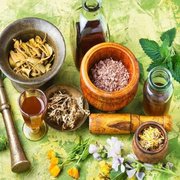
Herbal Extracts Manufacturers in Pakistan
Herbal Extracts

Herbal extracts have been used for centuries for nature cure medicines for health, well-being, and s...
Animal Feed Manufacturers in Pakistan
Animal Feed

Good nutrition is what will keep livestock healthy, productive, and growing. Good feeding practices ...
Guar Gum Manufacturers in Pakistan
Guar Gum

Guar gum is an incredibly versatile natural thickening and stabilizing agent in food, pharmaceutical...
Biopesticides Manufacturers in Pakistan
Biopesticides

The future of pest control in agriculture is nothing less than biopesticides. They are redefinition-...

Latest Blogs

Stay informed with the latest blogs covering natural wellness, herbal solutions, and sustainable living. Explore expert insights, industry trends, and health benefits of organic products. From essential oils to eco-friendly innovations, discover valuable knowledge to enhance your lifestyle. Stay updated, stay inspired, and embrace nature’s best with every read. New blogs are posted regularly!
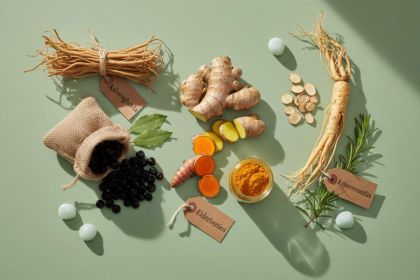
Five Strong Herbal Supplements That Will Help You Feel Better Every Day

In today's busy world, it could be challenging to stay healthy. More and more people are taking herbal supplements to get healthier in a safe, na...

View More
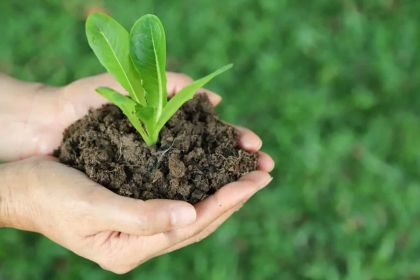
What Important Role Do Biopesticides Play in Organic Farming?

Organic farming has now proven to be a sustainable way of producing food, and it has gained great popularity because of that. The biggest challenge in...

View More
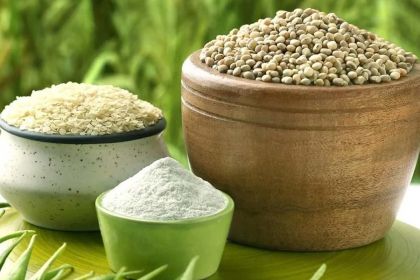
5 Amazing Health Benefits of Guar Gum You Need to Know

Guar gum is derived from the natural fiber that comes out of the guar bean. This thickener is commonly found in food products, but it is better known ...

View More
Clarifying Your Doubts

Find answers to common questions about our products, quality, sourcing, and usage. Whether it’s about ingredients, sustainability, or certifications, our FAQs provide clear insights. We prioritize transparency and excellence. Need more details? Explore our answers or contact us for support. Your satisfaction matters, and we’re here to help every step of the way!

What are the benefits of essential oils?

Essential oils are concentrated plant extracts known for their therapeutic properties. They are widely used in aromatherapy, skin care, and holistic healing. These oils help relieve stress, improve sleep, enhance mood, and support overall well-being.

Seed oils, derived from nutrient-rich seeds, are packed with essential fatty acids, vitamins, and antioxidants. They are commonly used in cooking, skincare, hair care, and medicinal applications. Popular seed oils include neem oil for pest control and flaxseed oil for heart health.

Guar gum is a natural thickening agent extracted from guar beans. It is widely used in the food industry for improving texture in dairy, bakery, and processed foods. Additionally, it plays a crucial role in cosmetics, pharmaceuticals, and even industrial applications like oil drilling and paper manufacturing.

High-quality vegetable seeds ensure better germination, disease resistance, and higher yield. They are essential for sustainable agriculture, providing healthier crops with improved nutritional value. Choosing organic, non-GMO seeds promotes biodiversity and reduces the use of harmful chemicals in farming.

Biopesticides are natural pest control solutions derived from plants, bacteria, fungi, and minerals. They help protect crops from pests while being environmentally friendly. Unlike chemical pesticides, biopesticides leave no harmful residues, making them safer for humans, animals, and the ecosystem.

Herbal extracts are concentrated forms of medicinal plants, used for their health benefits in supplements, skincare, and traditional medicine. Rich in bioactive compounds, they support immunity, digestion, skin health, and overall wellness. Herbal extracts are often found in teas, tinctures, capsules, and natural cosmetics.

Our Clients

Trusted by businesses worldwide, our clients include industries ranging from wellness and agriculture to personal care and pharmaceuticals. With a commitment to quality, sustainability, and innovation, we build lasting partnerships. Our natural products empower brands to create high-quality solutions. Join a growing community that values purity, reliability, and excellence in every product.

© 2026 HR Herbals International. All Rights Reserved.
Powered by HR Herbal International
Send Enquiry