>
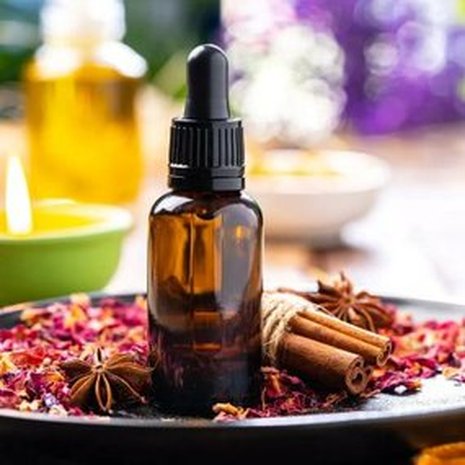
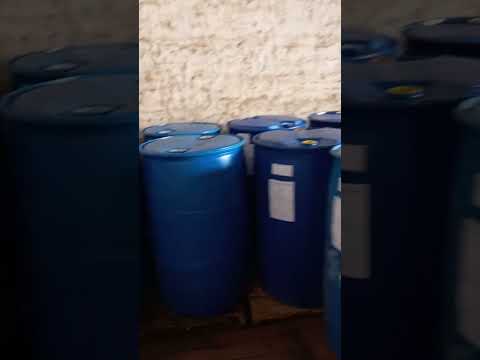
Essential Oils Manufacturers in Pakistan
Essential oils have, thus, become the in-things in wellness regimens, skin-care products, and even h...
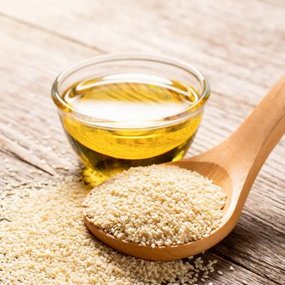
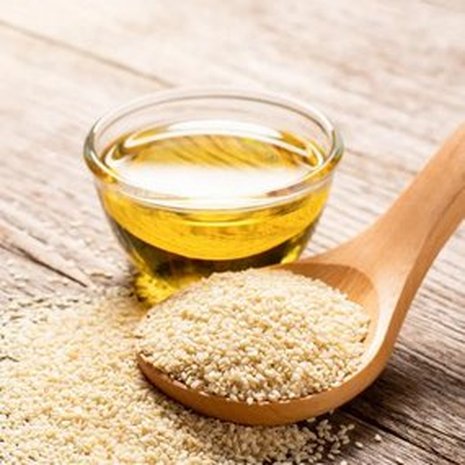
Seed Oils Manufacturers in Pakistan
Seed oils have been part of health, spirituality, and cooking for thousands of years. These oils are...
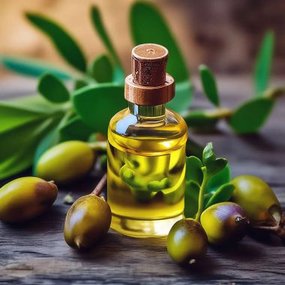
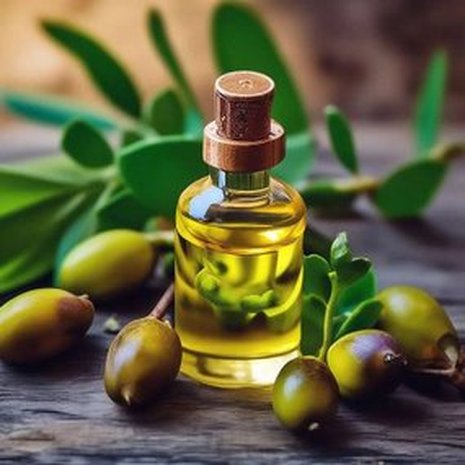
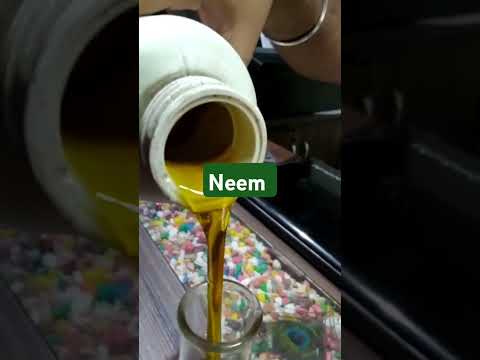
Neem Seed Oil Manufacturers in Pakistan
Resulting from being medicinal and beneficial on skin, and even in agriculture, neem oil had surely ...
HR Herbals International

Neem Oil Benefits for Agriculture and Organic Farming

A trusted name in natural solutions, we offer premium essential oils, herbal extracts, seed oils, biopesticides, and more. Committed to quality, sustainability, and innovation, our products serve the wellness, agriculture, and personal care industries. Harnessing nature’s power, we strive to create healthier lives, a greener planet, and a better future for all.

The global agricultural industry is undergoing a fundamental transformation. Driven by consumer demand for pesticide residue-free food, tightening regulations on synthetic agrochemicals in major markets, growing awareness of the environmental damage caused by chemical pesticides, and the development of pest resistance to many synthetic compounds, farmers and agricultural companies worldwide are searching urgently for effective natural alternatives.

Among all the natural pest management solutions available, neem oil stands in a class by itself. It has a longer and more successful track record than almost any other botanical pesticide, it has been approved for organic use in the United States, the European Union, and most other major agricultural markets, and the volume of scientific research supporting its effectiveness has grown dramatically over the past three decades. Understanding how to use neem oil effectively is increasingly essential knowledge for modern farmers, particularly those farming organically or transitioning to organic production.

The Chemistry Behind Neem Oil's Power

Neem oil is extracted from the seeds of Azadirachta indica, commonly known as the neem tree. The tree is native to South Asia and grows abundantly across India, Pakistan, Bangladesh, and Sri Lanka. It thrives in tropical and subtropical climates and is remarkably drought-tolerant, making it a practical crop for the semi-arid regions of Pakistan's Punjab and Sindh provinces.

The most important compound in neem oil for agricultural purposes is azadirachtin, a complex limonoid that disrupts the hormonal systems of insects at extremely low concentrations. Azadirachtin is a remarkably sophisticated molecule that took organic chemists decades to fully characterize. It works primarily by blocking the action of ecdysone, the insect hormone that controls molting, growth, and reproduction. When insects are exposed to azadirachtin, they cannot complete their development from one life stage to the next, they stop feeding, and their reproductive capacity is severely compromised.

Importantly, azadirachtin achieves these powerful effects on insects at concentrations that are essentially harmless to vertebrates, including mammals and birds. This extreme selectivity is one of neem oil's most valuable properties from a safety and regulatory perspective. The mammalian oral LD50 of azadirachtin is greater than 5,000 mg/kg — meaning it would take an extraordinarily large dose to cause any harm to a mammal, which in practical agricultural use simply never occurs.

Beyond azadirachtin, neem oil contains many other biologically active compounds including nimbin, nimbidin, nimbolide, and fatty acids. These compounds contribute to neem oil's antifungal properties, its ability to repel insects even when they are not killed by azadirachtin, and its systemic effects when taken up by plants through root absorption.

Neem Oil as an Insecticide

Neem oil controls insects through multiple mechanisms, which is why it is so difficult for pest populations to develop resistance to it — unlike synthetic pesticides that typically work through a single mechanism and are vulnerable to resistance development when that single target mutates.

The primary mechanism is antifeedant activity. When crops are sprayed with neem oil, insects that land on the plant and attempt to feed quickly encounter azadirachtin on the plant surface. Even at very low concentrations, this compound triggers a strong feeding deterrent response — the insect essentially loses its appetite and stops feeding. An insect that is not eating is not damaging crops, even if it has not been killed.

The second mechanism is growth disruption. Insects that do consume significant amounts of azadirachtin cannot complete their development. Larvae fail to pupate, pupae fail to eclose into adults, and adults that manage to develop are often infertile or produce eggs that fail to hatch. This disruption of the pest life cycle reduces population levels over time and across multiple generations.

The third mechanism is direct toxicity. At higher concentrations, neem oil extracts can kill insects directly, particularly soft-bodied insects and juvenile stages that are more vulnerable to direct contact with the oily compounds in neem oil.

Neem oil is effective against an extraordinarily wide range of agricultural pest insects. Research and practical experience have documented its effectiveness against aphids, whiteflies, thrips, spider mites, mealybugs, scale insects, leafhoppers, caterpillars and other lepidopteran larvae, beetles including the Colorado potato beetle and various weevils, and many others. This breadth of activity makes it a versatile tool for integrated pest management programs.

Neem Oil as a Fungicide

In addition to its insecticidal properties, neem oil is a highly effective fungicide. This dual action — controlling both insects and fungal diseases simultaneously — makes it exceptionally valuable for farmers who face both types of pest pressure, which is the case in most agricultural systems.

Neem oil has demonstrated effectiveness against powdery mildew, one of the most common and damaging fungal diseases affecting vegetable crops, fruits, roses, and many other plants. Powdery mildew appears as white, powdery coating on leaf surfaces and can devastate yields if not controlled. Weekly applications of neem oil spray effectively prevent powdery mildew establishment and can slow the progression of established infections.

Black spot on roses, downy mildew, rust diseases, anthracnose, and early and late blight of tomatoes and potatoes are also suppressed by neem oil applications. In each case, neem oil works by inhibiting fungal spore germination and mycelial growth, preventing the fungus from establishing itself on plant tissues.

For disease management, preventive application is much more effective than attempting to cure an established infection. Begin applications before disease pressure is expected — at transplanting time for seedlings, or at the beginning of the season based on historical disease timing — and maintain a regular spray schedule throughout the growing season.

How to Prepare and Apply Neem Oil Sprays

Pure neem oil does not mix with water on its own — it requires an emulsifier to create a stable spray solution. The most commonly used emulsifier for home and small-scale farm use is liquid dish soap or insecticidal soap. For commercial agricultural use, dedicated neem oil emulsifiers are available that produce more stable emulsions and may be more crop-safe than dish detergents.

Standard mixing ratios for a ready-to-use neem oil spray are approximately 2 tablespoons (30 ml) of neem oil plus 1 teaspoon (5 ml) of liquid soap per liter of water. This produces a concentration of approximately 3% neem oil. For sensitive plants or in hot weather, reduce this to 1% neem oil (about 1 tablespoon per liter).

The mixing procedure matters. Begin by mixing the neem oil with a small amount of warm water and the soap, then gradually add more water while stirring continuously. Cold water makes emulsification more difficult. The finished spray should appear milky white and should not have large oil droplets floating on the surface.

Application timing is critical for effectiveness and crop safety. Never apply neem oil spray during the heat of the day or when plants are under moisture stress. The ideal time to apply is early morning or evening when temperatures are cooler, plant foliage is dry, and the spray can dry on the plant surface before the hottest part of the day. Neem oil applied in hot direct sun can cause leaf burn, particularly on plants with tender foliage.

Thorough coverage of all plant surfaces, including the undersides of leaves where many pest insects feed and lay eggs, is essential. A backpack sprayer with adjustable nozzles works well for most applications. For large-scale field applications, boom sprayers equipped with drop nozzles that can spray leaf undersides are more effective than conventional boom configurations.

Application frequency depends on pest pressure and weather. In general, spray every 7 to 14 days as a preventive measure, or every 5 to 7 days when pest or disease pressure is high. Rain washes neem oil from plant surfaces, so reapplication after significant rainfall is necessary.

Neem Oil as a Soil Drench

Beyond foliar spraying, neem oil applied as a soil drench has valuable effects on soil-dwelling pests and pathogens. Neem compounds are taken up by plant roots and transported throughout the plant's vascular system, providing systemic protection against sucking insects that penetrate plant tissue to feed on sap.

Soil drench applications also control soil-dwelling pests including root-knot nematodes, fungus gnats larvae, cutworms, and various grubs. The neem compounds in the soil interfere with the development of these pest life stages, reducing their population over time.

Perhaps most significantly, regular neem oil soil applications have been shown to improve soil health by supporting beneficial microorganism populations. Neem oil suppresses harmful soil fungi while having relatively minimal impact on beneficial bacteria and mycorrhizal fungi. Over time, this selective action can help restore healthy soil microbial balance in degraded soils.

For soil drench applications, use the same concentration as for foliar sprays (2-3% neem oil emulsion) and apply approximately 2 liters per square meter of soil surface around the base of plants. Repeat monthly during the growing season.

Neem Oil and Beneficial Insects: An Important Consideration

A common concern about neem oil is whether it harms beneficial insects, particularly bees and other pollinators. This is an important question because one of the main advantages of using natural pest management products is supposed to be their lower impact on non-target organisms.

The research on this question is reassuring. Neem oil has much lower toxicity to bees and other beneficial insects than most synthetic pesticides. Laboratory studies have shown that bees need to consume much higher concentrations of neem oil compounds than they would typically encounter in field conditions to suffer significant harm. Field studies generally show minimal impact on bee populations when neem oil is used according to label directions.

However, some precautions are still advisable. Avoid spraying neem oil on open flowers where bees are actively foraging. Apply sprays in early morning or evening when bees are less active. Do not apply to plants in bloom during peak pollination periods if possible. Following these simple guidelines will minimize any potential impact on pollinators.

Neem Oil in Organic Certification

Neem oil is approved for use in certified organic agriculture in the United States (listed by the Organic Materials Review Institute — OMRI), the European Union, and most other markets with formal organic certification programs. However, the specific formulation used must be approved — not all neem oil products qualify. Products containing additional synthetic compounds may not be approved for organic use.

Farmers seeking organic certification should verify that the neem oil product they are using is listed or approved by the relevant organic certification body in their market. Working with a certified organic supplier who can provide documentation of the product's composition and its OMRI or equivalent listing simplifies this process.

At HR Herbal International, we export high-quality cold-pressed neem oil that meets the purity standards required for organic agricultural applications. Our neem oil is produced from fresh Pakistani neem seeds using cold-pressing technology to preserve the maximum concentration of azadirachtin and other bioactive compounds. We provide full product documentation including azadirachtin content analysis, heavy metal testing, and microbiological results. Contact us to discuss your requirements for agricultural or formulation-grade neem oil.

What Makes Us Different?

Providing 100% natural ingredients, certified organic products, and affordable solutions, we bring nature’s finest to you. Committed to purity and sustainability, our offerings support wellness, agriculture, and personal care. With 24/7 availability, premium quality is always accessible. Experience excellence through eco-friendly, carefully crafted products designed for a healthier, greener, and better future.

24/7 Availability
Quality products and support are available 24/7, ensuring seamless service and uninterrupted access anytime, anywhere.
Certified Organic
Certified organic products made with 100% natural ingredients, ensuring purity, sustainability, and unmatched quality for healthier living.
100% Natural Ingredients
Made with 100% natural ingredients, ensuring purity, safety, and effectiveness for a healthier and sustainable lifestyle.
Affordable Prices
Premium quality products at affordable prices, making natural wellness and purity accessible to everyone, anytime.
What Our Clients Say
Testimonials
Discover what our satisfied customers have to say! From premium essential oils to herbal extracts, our natural products have transformed lives. Hear real experiences of quality, purity, and effectiveness. Your feedback inspires us to keep growing!
Our Top Products

Offering a diverse range of 100% natural, certified organic products at affordable prices, ensuring purity and sustainability. From essential oils and herbal extracts to biopesticides and personal care solutions, every product is crafted with care. With 24/7 availability, experience the perfect blend of nature and innovation for a healthier, greener, and more balanced life.
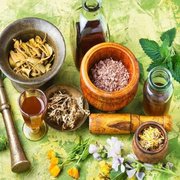
Herbal Extracts Manufacturers in Pakistan
Herbal Extracts

Herbal extracts have been used for centuries for nature cure medicines for health, well-being, and s...
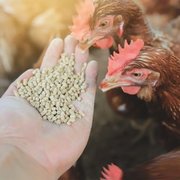
Animal Feed Manufacturers in Pakistan
Animal Feed

Good nutrition is what will keep livestock healthy, productive, and growing. Good feeding practices ...
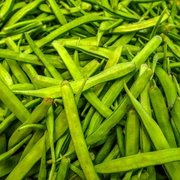
Guar Gum Manufacturers in Pakistan
Guar Gum

Guar gum is an incredibly versatile natural thickening and stabilizing agent in food, pharmaceutical...

Biopesticides Manufacturers in Pakistan
Biopesticides

The future of pest control in agriculture is nothing less than biopesticides. They are redefinition-...

Latest Blogs

Stay informed with the latest blogs covering natural wellness, herbal solutions, and sustainable living. Explore expert insights, industry trends, and health benefits of organic products. From essential oils to eco-friendly innovations, discover valuable knowledge to enhance your lifestyle. Stay updated, stay inspired, and embrace nature’s best with every read. New blogs are posted regularly!

Five Strong Herbal Supplements That Will Help You Feel Better Every Day

In today's busy world, it could be challenging to stay healthy. More and more people are taking herbal supplements to get healthier in a safe, na...

View More
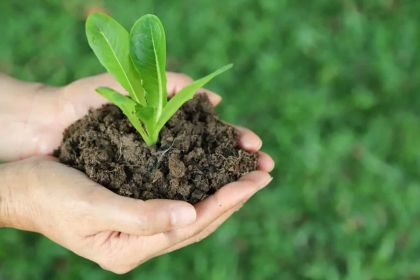
What Important Role Do Biopesticides Play in Organic Farming?

Organic farming has now proven to be a sustainable way of producing food, and it has gained great popularity because of that. The biggest challenge in...

View More
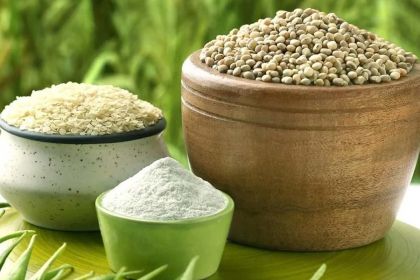
5 Amazing Health Benefits of Guar Gum You Need to Know

Guar gum is derived from the natural fiber that comes out of the guar bean. This thickener is commonly found in food products, but it is better known ...

View More
Clarifying Your Doubts

Find answers to common questions about our products, quality, sourcing, and usage. Whether it’s about ingredients, sustainability, or certifications, our FAQs provide clear insights. We prioritize transparency and excellence. Need more details? Explore our answers or contact us for support. Your satisfaction matters, and we’re here to help every step of the way!

What are the benefits of essential oils?

Essential oils are concentrated plant extracts known for their therapeutic properties. They are widely used in aromatherapy, skin care, and holistic healing. These oils help relieve stress, improve sleep, enhance mood, and support overall well-being.

Seed oils, derived from nutrient-rich seeds, are packed with essential fatty acids, vitamins, and antioxidants. They are commonly used in cooking, skincare, hair care, and medicinal applications. Popular seed oils include neem oil for pest control and flaxseed oil for heart health.

Guar gum is a natural thickening agent extracted from guar beans. It is widely used in the food industry for improving texture in dairy, bakery, and processed foods. Additionally, it plays a crucial role in cosmetics, pharmaceuticals, and even industrial applications like oil drilling and paper manufacturing.

High-quality vegetable seeds ensure better germination, disease resistance, and higher yield. They are essential for sustainable agriculture, providing healthier crops with improved nutritional value. Choosing organic, non-GMO seeds promotes biodiversity and reduces the use of harmful chemicals in farming.

Biopesticides are natural pest control solutions derived from plants, bacteria, fungi, and minerals. They help protect crops from pests while being environmentally friendly. Unlike chemical pesticides, biopesticides leave no harmful residues, making them safer for humans, animals, and the ecosystem.

Herbal extracts are concentrated forms of medicinal plants, used for their health benefits in supplements, skincare, and traditional medicine. Rich in bioactive compounds, they support immunity, digestion, skin health, and overall wellness. Herbal extracts are often found in teas, tinctures, capsules, and natural cosmetics.

Our Clients

Trusted by businesses worldwide, our clients include industries ranging from wellness and agriculture to personal care and pharmaceuticals. With a commitment to quality, sustainability, and innovation, we build lasting partnerships. Our natural products empower brands to create high-quality solutions. Join a growing community that values purity, reliability, and excellence in every product.


© 2026 HR Herbals International. All Rights Reserved.
Powered by HR Herbal International
Send Enquiry