>
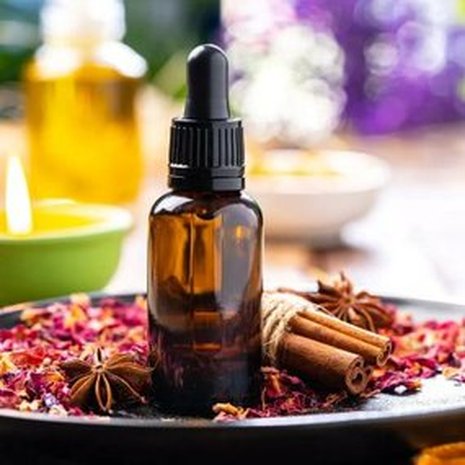
Essential Oils Manufacturers in Pakistan
Essential oils have, thus, become the in-things in wellness regimens, skin-care products, and even h...
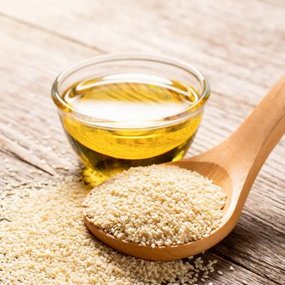
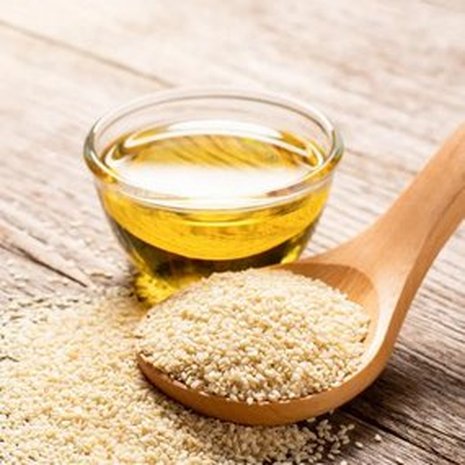
Seed Oils Manufacturers in Pakistan
Seed oils have been part of health, spirituality, and cooking for thousands of years. These oils are...
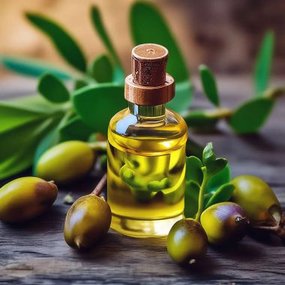
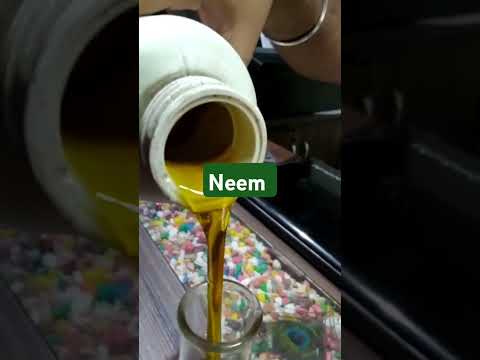
Neem Seed Oil Manufacturers in Pakistan
Resulting from being medicinal and beneficial on skin, and even in agriculture, neem oil had surely ...
HR Herbals International

Peppermint Oil: Health Benefits, Uses and Global Market

A trusted name in natural solutions, we offer premium essential oils, herbal extracts, seed oils, biopesticides, and more. Committed to quality, sustainability, and innovation, our products serve the wellness, agriculture, and personal care industries. Harnessing nature’s power, we strive to create healthier lives, a greener planet, and a better future for all.

The cool, invigorating sensation of peppermint is one of the most universally recognized sensory experiences in the world. It flavors candies and toothpaste, soothes headaches, clears congested airways, and invigorates tired muscles. Behind this familiar sensation is one of the most commercially important essential oils produced anywhere in the world — peppermint oil, extracted from Mentha piperita, a hybrid mint species that is cultivated commercially across multiple continents.

The global peppermint oil market is worth several hundred million dollars annually and serves an extraordinarily diverse range of industries. Pharmaceutical manufacturers use it in medicines. Food companies use it in flavoring. Cosmetics brands use it in personal care products. Agricultural companies use it in crop protection formulations. Understanding this oil, its properties, its applications, and the quality standards that govern international trade is valuable knowledge for anyone involved in sourcing, formulating, or trading with it.

The Chemistry of Peppermint Oil

Peppermint essential oil is produced by steam distillation of fresh or partially dried peppermint plant material, primarily the leaves and flowering tops. The yield of oil from plant material is typically 0.1% to 0.5% by weight, making production relatively efficient compared to flowers like rose or jasmine that yield far less oil per kilogram of plant material.

The characteristic cooling sensation of peppermint is almost entirely due to one compound: l-menthol. Menthol activates the TRPM8 receptor in sensory neurons — a receptor that normally responds to actual cold temperatures — creating a sensation of cooling without any actual temperature change. This pharmacological mechanism is the basis for menthol's use in dozens of commercial products designed to provide a refreshing, cooling sensation.

Menthol typically makes up 35% to 55% of peppermint essential oil. Other important components include menthone (15% to 30%), menthyl acetate (3% to 10%), menthofuran (1% to 9%), isomenthone, neomenthol, and various other minor components. The precise ratio of these compounds determines the oil's odor profile, therapeutic properties, and suitability for different applications.

Peppermint oil quality is defined partly by its menthol content — higher menthol content generally means stronger cooling sensation and more potent pharmacological effects — but also by its menthone and menthofuran content. High menthofuran content (above 9%) is associated with reduced quality and potential for irritation, and is restricted in pharmaceutical grade specifications.

Pharmaceutical Applications

Peppermint oil has one of the most extensive lists of approved pharmaceutical applications of any essential oil. Its pharmacological effects are well-documented and it is approved as an active ingredient in several drug categories in major regulated markets.

Digestive health is one of the most important pharmaceutical application areas. Enteric-coated peppermint oil capsules are approved treatments for irritable bowel syndrome (IBS) in multiple countries, supported by multiple randomized controlled trials showing significant reductions in abdominal pain, bloating, and altered bowel habits compared to placebo. The enteric coating allows the capsule to pass through the stomach without dissolving, releasing the peppermint oil directly in the intestines where it exerts antispasmodic effects by relaxing smooth muscle in the intestinal wall.

Nausea relief is another established pharmaceutical application. Peppermint oil aromatherapy has been shown to reduce postoperative nausea and motion sickness in clinical studies. The mechanism involves the effect of menthol on olfactory receptors and its subsequent influence on the central nervous system pathways that mediate nausea.

Analgesic applications include peppermint oil in topical pain relief products for headache, muscle aches, and joint pain. Applied topically, menthol produces vasoconstriction followed by vasodilation, creating a counter-irritant effect that reduces pain perception. A well-designed clinical trial found that 10% peppermint oil in ethanol solution applied to the forehead was as effective as 1,000mg of acetaminophen for tension headache relief.

Respiratory applications include peppermint oil as a decongestant in over-the-counter cold and cough preparations. Menthol's effects on cold receptors in the nasal passages create a sensation of improved airflow, though it does not actually reduce nasal congestion (air resistance). The perceived benefit is real enough, however, that peppermint oil continues to be widely used in this application.

Oral care is one of the largest pharmaceutical applications by volume. Peppermint oil is the primary flavoring agent in most commercial toothpastes, mouthwashes, and breath freshening products. Beyond its flavoring function, peppermint oil has antimicrobial properties that reduce the bacteria responsible for dental plaque formation and bad breath.

Food and Beverage Applications

The food industry is another major consumer of peppermint oil globally. Its use as a flavoring agent is extensive, ranging from confectionery to beverages to pharmaceuticals marketed as food supplements.

Confectionery is one of the biggest application areas. Peppermint oil flavors peppermint candies, candy canes, peppermint chocolate, chewing gum, and mints. The contrast between the sweetness of sugar and the sharp, cooling sensation of menthol is a classic and universally popular flavor combination. Chewing gum manufacturers are among the largest buyers of food-grade peppermint oil globally.

Beverage applications include peppermint-flavored teas, herbal infusions, flavored waters, energy drinks, cocktail mixers, and flavored alcoholic beverages. Peppermint tea is one of the world's most popular herbal teas, and while most commercial peppermint tea uses dried herb rather than essential oil, flavored peppermint beverages use the essential oil for consistent, intense flavor.

Baked goods and chocolate products incorporate peppermint oil for seasonal flavored products like peppermint bark, peppermint brownies, and mint chocolate chip cookies. The food processing industry uses highly concentrated peppermint flavor compounds, often including peppermint oil as a key component, to create flavor systems for these applications.

Cosmetic Applications

The cosmetics and personal care industry uses peppermint oil for both its functional properties and its popular fragrance. The cooling sensation it creates is desirable in products intended to refresh, invigorate, or provide a sensation of cooling on the skin.

Scalp care and hair care products are a major application. Peppermint oil stimulates circulation in the scalp when applied topically, creating a tingling sensation that many consumers associate with effectiveness. Research supports this subjective impression — a 2014 study found that peppermint oil applied to the scalp four times per week for four weeks produced hair growth comparable to a 3% minoxidil (Rogaine) solution in mice, and promoted hair growth through increasing blood circulation and stimulating dermal papilla cells. While human evidence is limited, the biological plausibility is strong.

Many shampoos, conditioners, and scalp treatments use peppermint oil at concentrations of 0.1% to 2% to provide the characteristic cooling tingle, promote scalp circulation, and address scalp conditions. Its antifungal properties also make it effective against the Malassezia fungi that cause dandruff.

Body care products including body washes, shower gels, foot creams, and cooling body sprays use peppermint oil for its refreshing sensation. Foot care products particularly benefit from peppermint oil's cooling effect, antimicrobial properties (relevant for athlete's foot prevention), and its ability to neutralize odor-causing bacteria.

Global Market Dynamics

The United States is historically the world's largest producer of peppermint oil, primarily from cultivations in the Pacific Northwest states of Oregon, Washington, and Idaho. India is the second largest producer, with significant production in Uttar Pradesh. Pakistan, China, and several European countries also produce peppermint oil in significant quantities.

Global demand for peppermint oil has grown steadily over the past decade, driven by growth in the pharmaceutical, oral care, and personal care sectors. The clean label trend in food and beverages — consumer preference for natural ingredients over artificial flavors — has also been favorable for peppermint oil demand, as it is a natural flavoring alternative to synthetic menthol and other mint compounds.

Price volatility is a characteristic of the peppermint oil market. Crop failures due to weather events in major producing regions can cause significant price spikes. Buyers who require large consistent volumes should consider supply agreements with reliable exporters that include price adjustment mechanisms to manage this volatility.

Quality Specifications for International Trade

Food-grade and pharmaceutical-grade peppermint oil must meet specific purity standards. The European Pharmacopoeia and United States Pharmacopeia specify ranges for the key chemical components including menthol content (minimum 30% for Ph.Eur), menthone, menthofuran (maximum 9% for Ph.Eur), and various other components.

Gas chromatography is the standard analytical method for determining the chemical composition of peppermint oil. Buyers should always request a GC analysis showing the concentration of all major components from any batch they purchase. Adulteration of peppermint oil with lower-cost corn mint oil (Mentha arvensis, which is menthol-rich but has a different odor profile) or synthetic menthol is a known issue in the market, and GC analysis is the best way to detect this.

HR Herbal International exports peppermint essential oil meeting pharmacopoeia and food-grade specifications. Our oil is produced by steam distillation of fresh peppermint from carefully managed cultivation, and each batch is analyzed by GC to confirm chemical composition. Contact us to discuss your sourcing requirements for pharmaceutical, food, or cosmetic applications.

What Makes Us Different?

Providing 100% natural ingredients, certified organic products, and affordable solutions, we bring nature’s finest to you. Committed to purity and sustainability, our offerings support wellness, agriculture, and personal care. With 24/7 availability, premium quality is always accessible. Experience excellence through eco-friendly, carefully crafted products designed for a healthier, greener, and better future.

24/7 Availability
Quality products and support are available 24/7, ensuring seamless service and uninterrupted access anytime, anywhere.
Certified Organic
Certified organic products made with 100% natural ingredients, ensuring purity, sustainability, and unmatched quality for healthier living.
100% Natural Ingredients
Made with 100% natural ingredients, ensuring purity, safety, and effectiveness for a healthier and sustainable lifestyle.
Affordable Prices
Premium quality products at affordable prices, making natural wellness and purity accessible to everyone, anytime.
What Our Clients Say
Testimonials
Discover what our satisfied customers have to say! From premium essential oils to herbal extracts, our natural products have transformed lives. Hear real experiences of quality, purity, and effectiveness. Your feedback inspires us to keep growing!
Our Top Products

Offering a diverse range of 100% natural, certified organic products at affordable prices, ensuring purity and sustainability. From essential oils and herbal extracts to biopesticides and personal care solutions, every product is crafted with care. With 24/7 availability, experience the perfect blend of nature and innovation for a healthier, greener, and more balanced life.
Herbal Extracts Manufacturers in Pakistan
Herbal Extracts

Herbal extracts have been used for centuries for nature cure medicines for health, well-being, and s...

Animal Feed Manufacturers in Pakistan
Animal Feed

Good nutrition is what will keep livestock healthy, productive, and growing. Good feeding practices ...
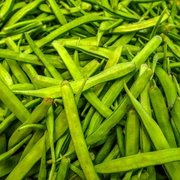
Guar Gum Manufacturers in Pakistan
Guar Gum

Guar gum is an incredibly versatile natural thickening and stabilizing agent in food, pharmaceutical...

Biopesticides Manufacturers in Pakistan
Biopesticides

The future of pest control in agriculture is nothing less than biopesticides. They are redefinition-...

Latest Blogs

Stay informed with the latest blogs covering natural wellness, herbal solutions, and sustainable living. Explore expert insights, industry trends, and health benefits of organic products. From essential oils to eco-friendly innovations, discover valuable knowledge to enhance your lifestyle. Stay updated, stay inspired, and embrace nature’s best with every read. New blogs are posted regularly!

Five Strong Herbal Supplements That Will Help You Feel Better Every Day

In today's busy world, it could be challenging to stay healthy. More and more people are taking herbal supplements to get healthier in a safe, na...

View More
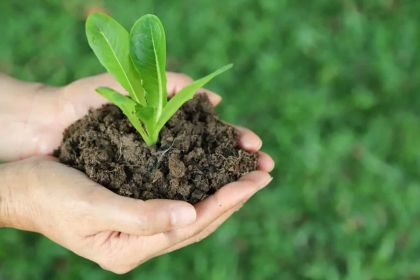
What Important Role Do Biopesticides Play in Organic Farming?

Organic farming has now proven to be a sustainable way of producing food, and it has gained great popularity because of that. The biggest challenge in...

View More
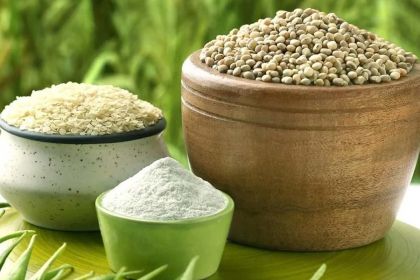
5 Amazing Health Benefits of Guar Gum You Need to Know

Guar gum is derived from the natural fiber that comes out of the guar bean. This thickener is commonly found in food products, but it is better known ...

View More
Clarifying Your Doubts

Find answers to common questions about our products, quality, sourcing, and usage. Whether it’s about ingredients, sustainability, or certifications, our FAQs provide clear insights. We prioritize transparency and excellence. Need more details? Explore our answers or contact us for support. Your satisfaction matters, and we’re here to help every step of the way!

What are the benefits of essential oils?

Essential oils are concentrated plant extracts known for their therapeutic properties. They are widely used in aromatherapy, skin care, and holistic healing. These oils help relieve stress, improve sleep, enhance mood, and support overall well-being.

Seed oils, derived from nutrient-rich seeds, are packed with essential fatty acids, vitamins, and antioxidants. They are commonly used in cooking, skincare, hair care, and medicinal applications. Popular seed oils include neem oil for pest control and flaxseed oil for heart health.

Guar gum is a natural thickening agent extracted from guar beans. It is widely used in the food industry for improving texture in dairy, bakery, and processed foods. Additionally, it plays a crucial role in cosmetics, pharmaceuticals, and even industrial applications like oil drilling and paper manufacturing.

High-quality vegetable seeds ensure better germination, disease resistance, and higher yield. They are essential for sustainable agriculture, providing healthier crops with improved nutritional value. Choosing organic, non-GMO seeds promotes biodiversity and reduces the use of harmful chemicals in farming.

Biopesticides are natural pest control solutions derived from plants, bacteria, fungi, and minerals. They help protect crops from pests while being environmentally friendly. Unlike chemical pesticides, biopesticides leave no harmful residues, making them safer for humans, animals, and the ecosystem.

Herbal extracts are concentrated forms of medicinal plants, used for their health benefits in supplements, skincare, and traditional medicine. Rich in bioactive compounds, they support immunity, digestion, skin health, and overall wellness. Herbal extracts are often found in teas, tinctures, capsules, and natural cosmetics.

Our Clients

Trusted by businesses worldwide, our clients include industries ranging from wellness and agriculture to personal care and pharmaceuticals. With a commitment to quality, sustainability, and innovation, we build lasting partnerships. Our natural products empower brands to create high-quality solutions. Join a growing community that values purity, reliability, and excellence in every product.

© 2026 HR Herbals International. All Rights Reserved.
Powered by HR Herbal International
Send Enquiry