>
Essential Oils Manufacturers in Pakistan
Essential oils have, thus, become the in-things in wellness regimens, skin-care products, and even h...
Seed Oils Manufacturers in Pakistan
Seed oils have been part of health, spirituality, and cooking for thousands of years. These oils are...
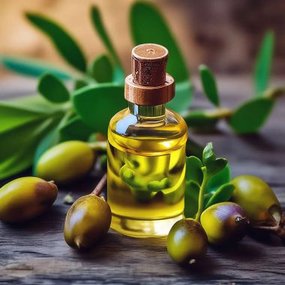
Neem Seed Oil Manufacturers in Pakistan
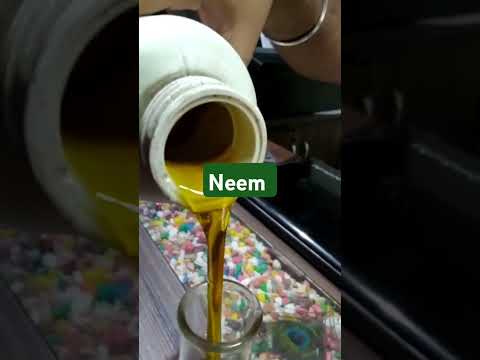
Resulting from being medicinal and beneficial on skin, and even in agriculture, neem oil had surely ...
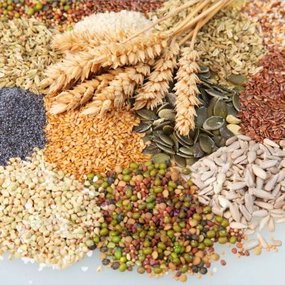
HR Herbals International

Sesame Oil: Traditional Uses and Modern Applications

A trusted name in natural solutions, we offer premium essential oils, herbal extracts, seed oils, biopesticides, and more. Committed to quality, sustainability, and innovation, our products serve the wellness, agriculture, and personal care industries. Harnessing nature’s power, we strive to create healthier lives, a greener planet, and a better future for all.

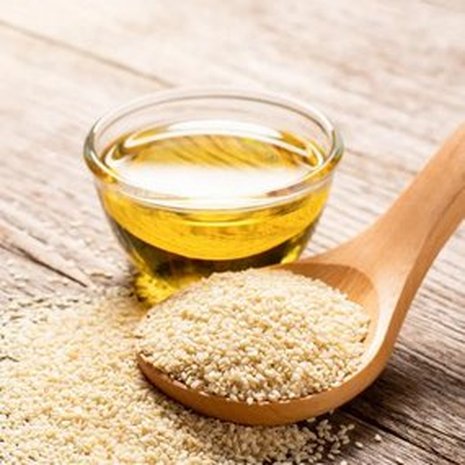
No oil has a longer or more multicultural history than sesame oil. Archaeological evidence places sesame cultivation at over 5,000 years ago in the Indus Valley region that is now part of Pakistan. Ancient Egyptians used sesame oil in their pharmacopoeia. Traditional Chinese medicine has used it for thousands of years. Ayurvedic medicine considers it one of the most important therapeutic oils. And today, sesame oil remains indispensable in the kitchens of East Asia, South Asia, and the Middle East, while simultaneously finding new applications in modern cosmetics, pharmaceuticals, and nutrition.

Pakistan is a significant producer and exporter of sesame seeds and sesame oil. The country's sesame growing regions, primarily in Sindh and Punjab provinces, produce seeds with high oil content and excellent flavor characteristics. Pakistani sesame oil exports serve markets in East Asia, Europe, the Middle East, and North America.

The Sesame Seed: Composition and Properties

Sesame seeds (Sesamum indicum) have an oil content of 44% to 58%, making them one of the most oil-rich seeds cultivated anywhere in the world. The oil is predominantly composed of oleic acid (omega-9, approximately 35% to 50%) and linoleic acid (omega-6, approximately 35% to 50%), with smaller amounts of palmitic acid (saturated) and stearic acid (saturated).

What makes sesame oil truly distinctive is its content of two unique lignans — sesamol and sesamin — that are not found in significant concentrations in any other commonly used vegetable oil. These compounds are extraordinarily potent antioxidants and have been the subject of extensive research for their biological effects including antihypertensive activity, lipid-lowering effects, liver-protective properties, and potential cancer-preventive effects.

The sesamin and sesamolin content of sesame oil is typically 0.1% to 0.5% of total oil weight. While this seems small, these compounds are so potent as antioxidants that they provide sesame oil with oxidative stability far exceeding what its fatty acid profile alone would predict. Sesame oil is significantly more stable than soybean oil or sunflower oil despite having similar levels of polyunsaturated fatty acids, and this stability is attributable to sesamin and sesamol.

Sesame oil also contains vitamin E (primarily gamma-tocopherol), phytosterols (primarily beta-sitosterol), and phospholipids, all of which contribute to its nutritional profile and stability.

Types of Sesame Oil

Two distinctly different types of sesame oil are produced from the same sesame seeds, and they have very different properties, flavors, and applications. Understanding this distinction is essential for buyers.

Cold-Pressed Raw Sesame Oil (Light Sesame Oil): Produced by cold-pressing raw, unroasted sesame seeds. The resulting oil is light golden in color with a mild, slightly nutty flavor. It has a relatively high smoke point (approximately 175°C or 350°F for unrefined, higher for refined) and can be used for cooking as well as raw applications. This is the type of sesame oil most commonly used in Ayurvedic medicine, skin care formulations, and as a healthy cooking oil in Western markets. Its flavor is mild enough that it does not dominate dishes.

Toasted (Asian) Sesame Oil (Dark Sesame Oil): Produced by pressing seeds that have been roasted at high temperature before pressing. The roasting process creates hundreds of aromatic compounds through Maillard reactions and other thermal transformations, producing an oil with an intense, nutty, smoky, complex aroma that is fundamentally different from raw sesame oil. Dark sesame oil has a very low smoke point and is never used for cooking — it would develop off-flavors when heated. Instead, it is used as a finishing oil, added at the end of cooking or used in cold preparations to provide its distinctive flavor. It is indispensable in Chinese, Japanese, Korean, and Southeast Asian cuisine.

These two products serve completely different markets and are not interchangeable. Buyers must be clear about which type they require.

Traditional Therapeutic Uses

Sesame oil's therapeutic reputation spans multiple traditional medical systems, and modern research has validated many of the traditional claims.

Oil pulling — the Ayurvedic practice of swishing a tablespoon of sesame oil in the mouth for 15 to 20 minutes before spitting it out — has been used for centuries to improve oral health. Modern clinical studies have found that oil pulling with sesame oil reduces plaque-induced gingivitis, reduces the number of Streptococcus mutans bacteria (the primary cause of dental cavities) in saliva, and reduces bad breath. The mechanism is thought to involve the emulsification and removal of bacteria and their toxins from oral surfaces by the oil.

Ayurvedic practitioners use sesame oil extensively as a base for medicated preparations, for massage (abhyanga), and as a dietary supplement. Traditional Ayurvedic texts describe sesame oil as heavy, sweet, and heating in nature, good for vata constitution types, beneficial for the nervous system and joints, and generally nourishing and strengthening for the body.

Traditional Chinese medicine similarly values sesame as a tonic food and uses sesame oil in various preparations for promoting digestion, supporting kidney function, and nourishing the liver. The high sesamin content of sesame oil may be relevant here, as sesamin has been shown to support liver function and protect liver cells from damage in research studies.

Cardiovascular Health Research

Among the research areas for sesame oil, cardiovascular effects have received the most clinical attention. Multiple randomized controlled trials have examined sesame oil's effects on blood pressure, lipid profiles, and markers of cardiovascular risk.

Blood pressure reduction is one of the most consistent findings. A 2006 clinical trial published in the Yale Journal of Biology and Medicine found that using sesame oil as the sole cooking oil (about 35g per day) for 45 days significantly reduced both systolic and diastolic blood pressure in hypertensive patients. The reduction was clinically meaningful — comparable to some antihypertensive medications. When patients switched back to other cooking oils, blood pressure returned to previous levels.

Follow-up studies from the same research group found that sesame oil use reduced lipid peroxidation markers in the blood, improved antioxidant status, and reduced the dose of antihypertensive medication required by patients already taking such drugs. The researchers attributed these effects primarily to sesamol and sesamin, which may inhibit the renin-angiotensin system involved in blood pressure regulation and reduce oxidative stress in blood vessels.

Lipid-lowering effects have also been documented. Research in both animals and humans has shown that sesamin supplementation or sesame oil consumption reduces total cholesterol and LDL cholesterol while maintaining or slightly increasing HDL cholesterol. The mechanism involves sesamin's ability to inhibit certain enzymes involved in cholesterol synthesis and to upregulate receptors that remove LDL from the blood.

Cosmetic and Skin Care Applications

Sesame oil is one of the most widely used base oils in Ayurvedic and natural cosmetics. Its combination of fatty acid profile, antioxidant content, and ease of skin penetration make it an excellent cosmetic ingredient for multiple applications.

Massage oil applications are perhaps the largest single use of sesame oil in cosmetics. Ayurvedic massage traditionally uses sesame oil as the primary carrier oil, and this tradition has been adopted widely in spa and wellness applications globally. Sesame oil has moderate viscosity — lighter than castor oil but heavier than almond oil — that provides good glide for massage without feeling too heavy or too thin.

Sun protection is a traditional attributed property of sesame oil that has some research support. Sesame oil has been found to filter approximately 30% of ultraviolet light, giving it a very low SPF. While this is far too low to rely on as a sunscreen, it provides some additional UV protection when sesame oil is used in skin care formulations as a carrier for other sun-protective ingredients.

Anti-aging skin care applications use sesame oil for its antioxidant content and its ability to penetrate and moisturize skin. Sesamol, the primary lignan in sesame oil, has been shown in in vitro studies to protect skin cells from UV-induced damage and to inhibit enzymes that break down collagen. These properties make sesame oil a functional ingredient in anti-aging formulations, not merely a cosmetically aesthetic carrier oil.

Hair care applications include use of sesame oil as a scalp treatment and hair mask ingredient. It provides deep moisturization to dry or damaged hair, helps protect hair from UV damage, and has antimicrobial properties that may help control scalp conditions including dandruff. In Ayurvedic traditions, regular scalp massage with sesame oil is practiced as a hair growth and hair strengthening treatment.

Food Applications and Culinary Properties

Sesame oil's culinary applications vary dramatically by region and oil type. In East Asian cuisines, toasted sesame oil is an essential condiment and finishing oil. Chinese stir-fries, Korean bibimbap, Japanese ramen, and countless other dishes use a few drops of toasted sesame oil to finish the dish with its characteristic nutty, aromatic flavor. In these traditions, the oil is never used for high-heat cooking — it is always added at the end or used in cold preparations like dressings and marinades.

In South Asian and Middle Eastern cuisines, sesame features prominently in tahini (sesame paste) and sesame-flavored breads, pastries, and confections like halva. The light sesame oil is used in cooking as a neutral or mildly flavored oil suitable for sautéing and frying.

For health-conscious Western consumers, light sesame oil has found a market as a healthy cooking oil. Its balanced omega-6 to omega-9 ratio and high antioxidant content make it a nutritionally attractive choice, and its stability makes it practical for home cooking at moderate temperatures.

Export Specifications and Market Information

Key quality specifications for exported sesame oil include free fatty acid content (below 0.5% for premium food grade), peroxide value (below 10 meq/kg for fresh oil), moisture content (below 0.1%), sesamin content (indicating authenticity and quality), color (measured on Lovibond scale), and complete fatty acid profile by gas chromatography.

Food safety testing for heavy metals, pesticide residues, and mycotoxins (particularly aflatoxins, which can contaminate oil seeds) is essential for export to regulated markets including the EU and US. Sesame is also a major food allergen in many countries, and products containing sesame oil must comply with food allergen labeling laws in importing markets.

HR Herbal International exports cold-pressed sesame oil and toasted sesame oil from premium Pakistani sesame seeds. We supply in bulk for food manufacturers, cosmetic companies, and wholesalers. Our products meet food safety requirements for major international markets and come with full documentation. Contact us to discuss your requirements.

What Makes Us Different?

Providing 100% natural ingredients, certified organic products, and affordable solutions, we bring nature’s finest to you. Committed to purity and sustainability, our offerings support wellness, agriculture, and personal care. With 24/7 availability, premium quality is always accessible. Experience excellence through eco-friendly, carefully crafted products designed for a healthier, greener, and better future.

24/7 Availability
Quality products and support are available 24/7, ensuring seamless service and uninterrupted access anytime, anywhere.
Certified Organic
Certified organic products made with 100% natural ingredients, ensuring purity, sustainability, and unmatched quality for healthier living.
100% Natural Ingredients
Made with 100% natural ingredients, ensuring purity, safety, and effectiveness for a healthier and sustainable lifestyle.
Affordable Prices
Premium quality products at affordable prices, making natural wellness and purity accessible to everyone, anytime.
What Our Clients Say
Testimonials
Discover what our satisfied customers have to say! From premium essential oils to herbal extracts, our natural products have transformed lives. Hear real experiences of quality, purity, and effectiveness. Your feedback inspires us to keep growing!
Our Top Products

Offering a diverse range of 100% natural, certified organic products at affordable prices, ensuring purity and sustainability. From essential oils and herbal extracts to biopesticides and personal care solutions, every product is crafted with care. With 24/7 availability, experience the perfect blend of nature and innovation for a healthier, greener, and more balanced life.
Herbal Extracts Manufacturers in Pakistan
Herbal Extracts

Herbal extracts have been used for centuries for nature cure medicines for health, well-being, and s...
Animal Feed Manufacturers in Pakistan
Animal Feed

Good nutrition is what will keep livestock healthy, productive, and growing. Good feeding practices ...
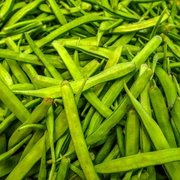
Guar Gum Manufacturers in Pakistan
Guar Gum

Guar gum is an incredibly versatile natural thickening and stabilizing agent in food, pharmaceutical...

Biopesticides Manufacturers in Pakistan
Biopesticides

The future of pest control in agriculture is nothing less than biopesticides. They are redefinition-...

Latest Blogs

Stay informed with the latest blogs covering natural wellness, herbal solutions, and sustainable living. Explore expert insights, industry trends, and health benefits of organic products. From essential oils to eco-friendly innovations, discover valuable knowledge to enhance your lifestyle. Stay updated, stay inspired, and embrace nature’s best with every read. New blogs are posted regularly!

Five Strong Herbal Supplements That Will Help You Feel Better Every Day

In today's busy world, it could be challenging to stay healthy. More and more people are taking herbal supplements to get healthier in a safe, na...

View More

What Important Role Do Biopesticides Play in Organic Farming?

Organic farming has now proven to be a sustainable way of producing food, and it has gained great popularity because of that. The biggest challenge in...

View More
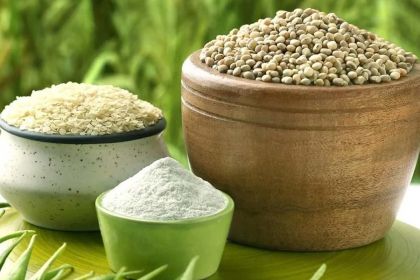
5 Amazing Health Benefits of Guar Gum You Need to Know

Guar gum is derived from the natural fiber that comes out of the guar bean. This thickener is commonly found in food products, but it is better known ...

View More
Clarifying Your Doubts

Find answers to common questions about our products, quality, sourcing, and usage. Whether it’s about ingredients, sustainability, or certifications, our FAQs provide clear insights. We prioritize transparency and excellence. Need more details? Explore our answers or contact us for support. Your satisfaction matters, and we’re here to help every step of the way!

What are the benefits of essential oils?

Essential oils are concentrated plant extracts known for their therapeutic properties. They are widely used in aromatherapy, skin care, and holistic healing. These oils help relieve stress, improve sleep, enhance mood, and support overall well-being.

Seed oils, derived from nutrient-rich seeds, are packed with essential fatty acids, vitamins, and antioxidants. They are commonly used in cooking, skincare, hair care, and medicinal applications. Popular seed oils include neem oil for pest control and flaxseed oil for heart health.

Guar gum is a natural thickening agent extracted from guar beans. It is widely used in the food industry for improving texture in dairy, bakery, and processed foods. Additionally, it plays a crucial role in cosmetics, pharmaceuticals, and even industrial applications like oil drilling and paper manufacturing.

High-quality vegetable seeds ensure better germination, disease resistance, and higher yield. They are essential for sustainable agriculture, providing healthier crops with improved nutritional value. Choosing organic, non-GMO seeds promotes biodiversity and reduces the use of harmful chemicals in farming.

Biopesticides are natural pest control solutions derived from plants, bacteria, fungi, and minerals. They help protect crops from pests while being environmentally friendly. Unlike chemical pesticides, biopesticides leave no harmful residues, making them safer for humans, animals, and the ecosystem.

Herbal extracts are concentrated forms of medicinal plants, used for their health benefits in supplements, skincare, and traditional medicine. Rich in bioactive compounds, they support immunity, digestion, skin health, and overall wellness. Herbal extracts are often found in teas, tinctures, capsules, and natural cosmetics.

Our Clients

Trusted by businesses worldwide, our clients include industries ranging from wellness and agriculture to personal care and pharmaceuticals. With a commitment to quality, sustainability, and innovation, we build lasting partnerships. Our natural products empower brands to create high-quality solutions. Join a growing community that values purity, reliability, and excellence in every product.


© 2026 HR Herbals International. All Rights Reserved.
Powered by HR Herbal International
Send Enquiry